Publius Papinius Statius
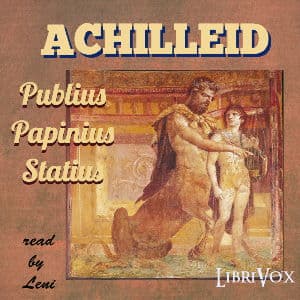
Publius Papinius Statius was a Roman poet of the Silver Age, renowned for his epic and lyrical poetry. Born in Naples, he flourished during the reign of the Emperor Domitian and became one of the most celebrated poets of his time. His major works include the epic poem 'Thebaid,' which recounts the tragic tale of the conflict between the sons of Oedipus, and 'Achilleid,' an unfinished epic that explores the life of Achilles. Statius's poetry is notable for its rich imagery, emotional depth, and intricate style, which drew heavily on the traditions of earlier Roman poets like Virgil and Lucan while also paving the way for later literary developments in the epic genre. Statius's influence extended beyond his lifetime, impacting both the literary culture of Rome and the broader Western literary canon. His work was characterized by a blend of mythological themes and personal reflection, which resonated with audiences and later poets. The 'Thebaid' was particularly significant for its exploration of fate, heroism, and the human condition, themes that would echo through the ages. Statius's legacy is evident in the way he shaped the narrative techniques and stylistic choices of subsequent poets, making him a key figure in the evolution of epic poetry in the Western tradition.
Famous Quotes
View all 1 quotes“It is for the good of states that men should be deluded by religion.””
Books from the author
Link to this page
Add a free, dofollow link to Lex on your blog, forum, syllabus, or reading list.

<a href="https://lex-books.com/author/publius-papinius-statius"><img src="https://lex-books.com/badges/read-on-lex.svg" alt="Publius Papinius Statius on Lex" width="160" height="40"></a>[](https://lex-books.com/author/publius-papinius-statius)[url=https://lex-books.com/author/publius-papinius-statius][img]https://lex-books.com/badges/read-on-lex.svg[/img][/url]Publius Papinius Statius on Lex: https://lex-books.com/author/publius-papinius-statius