Prince, grandson of Fath Ali Shah, Shah of Iran,Taymur Mirza
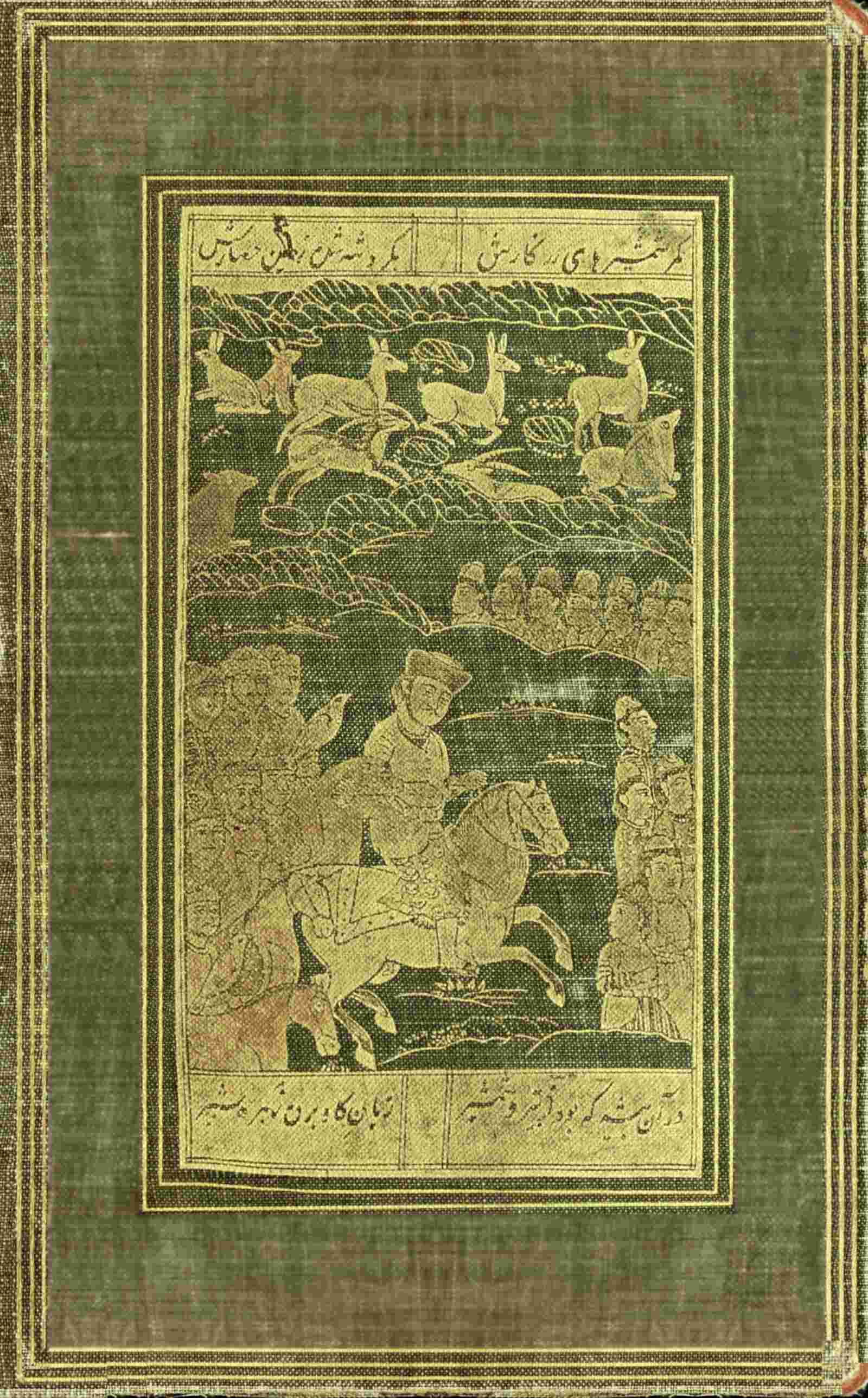
Taymur Mirza, a grandson of Fath Ali Shah, the Shah of Iran, was a notable figure in Persian literature and culture during the late 19th century. Born into the royal Qajar dynasty, he was deeply influenced by the rich traditions of Persian art and literature. His most significant work, 'The Baz-Nama-Yi Nasiri,' is a comprehensive treatise on falconry that reflects both the cultural significance of this ancient sport in Persian society and the intricate relationship between nature and nobility. This text not only serves as a guide to falconry techniques but also embodies the aesthetic and philosophical values of the time, showcasing the intersection of nature, art, and royal leisure. Taymur Mirza's contributions extend beyond falconry; he represents a period in Iranian history where literature was a means of preserving cultural identity amidst the challenges of modernization. His works are significant for their detailed observations and insights into the practices of the elite classes of his era. While not as widely known as some of his contemporaries, Taymur Mirza's writings provide valuable perspectives on the social and cultural dynamics of 19th-century Iran, highlighting the enduring legacy of Persian literary traditions.
Books from the author





Link to this page
Add a free, dofollow link to Lex on your blog, forum, syllabus, or reading list.

<a href="https://lex-books.com/author/prince-grandson-of-fath-ali-shah-shah-of-irantaymur-mirza"><img src="https://lex-books.com/badges/read-on-lex.svg" alt="Prince, grandson of Fath Ali Shah, Shah of Iran,Taymur Mirza on Lex" width="160" height="40"></a>[](https://lex-books.com/author/prince-grandson-of-fath-ali-shah-shah-of-irantaymur-mirza)[url=https://lex-books.com/author/prince-grandson-of-fath-ali-shah-shah-of-irantaymur-mirza][img]https://lex-books.com/badges/read-on-lex.svg[/img][/url]Prince, grandson of Fath Ali Shah, Shah of Iran,Taymur Mirza on Lex: https://lex-books.com/author/prince-grandson-of-fath-ali-shah-shah-of-irantaymur-mirza