
Pope St Pius X
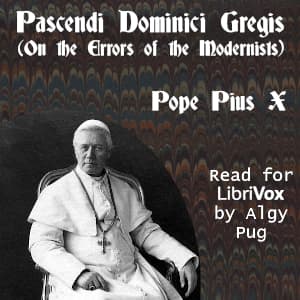
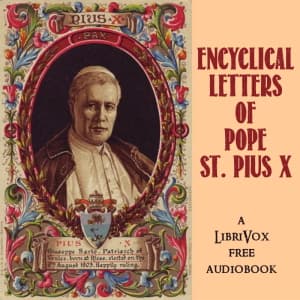
Pope St. Pius X, born Giuseppe Melchiorre Sarto, served as the 226th pope of the Roman Catholic Church from 1903 until his death in 1914. He is best known for his efforts to reform the Church and combat modernist interpretations of Catholic doctrine. His papacy was marked by a commitment to traditional Catholic values and a focus on the importance of the sacraments, particularly the Eucharist. Pius X's encyclical letters, including 'Pascendi Dominici Gregis,' addressed the rise of modernism, which he viewed as a threat to the faith. In this pivotal document, he outlined the errors of modernist thought and called for a return to the foundational teachings of the Church, emphasizing the need for a clear and unwavering adherence to doctrine. Beyond his theological contributions, Pius X was also known for his pastoral approach, promoting the frequent reception of the Eucharist and encouraging lay participation in the Church. His canonization in 1954 by Pope Pius XII recognized his significant impact on the Church and his dedication to the faith. Pius X's legacy endures in the ongoing discussions surrounding modernism and the Church's response to contemporary challenges, making him a pivotal figure in the history of the Catholic Church in the 20th century.

Link to this page
Add a free, dofollow link to Lex on your blog, forum, syllabus, or reading list.

<a href="https://lex-books.com/author/pope-st-pius-x"><img src="https://lex-books.com/badges/read-on-lex.svg" alt="Pope St Pius X on Lex" width="160" height="40"></a>[](https://lex-books.com/author/pope-st-pius-x)[url=https://lex-books.com/author/pope-st-pius-x][img]https://lex-books.com/badges/read-on-lex.svg[/img][/url]Pope St Pius X on Lex: https://lex-books.com/author/pope-st-pius-x