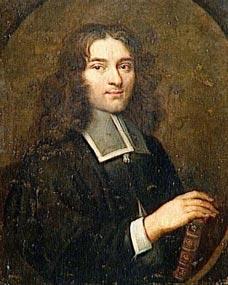
Pierre Bayle
Pierre Bayle was a French philosopher and writer, renowned for his contributions to the fields of skepticism and religious tolerance during the Enlightenment. Born in a Protestant family in the Languedoc region of France, Bayle's early education was steeped in the Calvinist tradition, which profoundly influenced his later philosophical inquiries. He became a prominent figure in the intellectual circles of his time, particularly after fleeing France due to the revocation of the Edict of Nantes, which had granted religious freedom to Protestants. Settling in Rotterdam, he published works that challenged the dogmas of both Catholicism and Protestantism, advocating for a more tolerant and rational approach to belief and knowledge. Bayle's most significant work, the "Dictionnaire historique et critique," is a monumental encyclopedia that not only cataloged historical figures but also provided critical analysis of their ideas and actions. This work was groundbreaking in its approach, emphasizing the importance of skepticism and the examination of beliefs, which laid the groundwork for later Enlightenment thinkers. Bayle's insistence on the necessity of doubt and inquiry in the pursuit of truth influenced philosophers such as Voltaire and Rousseau, marking him as a pivotal figure in the development of modern secular thought. His legacy endures as a champion of intellectual freedom and a precursor to the principles of religious tolerance that would shape Enlightenment philosophy.
Books from the author

Link to this page
Add a free, dofollow link to Lex on your blog, forum, syllabus, or reading list.

<a href="https://lex-books.com/author/pierre-bayle"><img src="https://lex-books.com/badges/read-on-lex.svg" alt="Pierre Bayle on Lex" width="160" height="40"></a>[](https://lex-books.com/author/pierre-bayle)[url=https://lex-books.com/author/pierre-bayle][img]https://lex-books.com/badges/read-on-lex.svg[/img][/url]Pierre Bayle on Lex: https://lex-books.com/author/pierre-bayle