Peter Cunningham
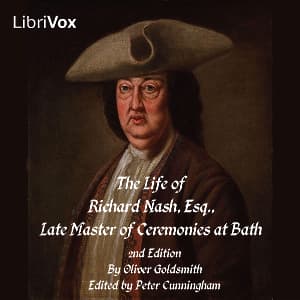
Peter Cunningham was a notable 19th-century English writer and editor, recognized for his contributions to the fields of music and biography. He is best known for his work, 'The Songs of England and Scotland,' which showcases a rich collection of traditional songs that reflect the cultural heritage of the British Isles. This anthology not only preserves the musical traditions of the time but also serves as an important resource for understanding the social and historical contexts in which these songs were created and performed. In addition to his work on folk songs, Cunningham authored 'Life of Richard Nash, Esq., Late Master of the Ceremonies at Bath,' a biographical account that delves into the life of a prominent figure in the social scene of Bath during the 18th century. Through this biography, Cunningham provides insights into the customs and social dynamics of the era, highlighting Nash's influence on the development of social entertainment in the city. Cunningham's literary contributions are significant for their role in documenting and celebrating the cultural landscape of England and Scotland during his time.
Famous Quotes
View all 17 quotes“He believes that a real work of art can be owned but should not be subject to capture; that it should radiate such authority, such bizarre but confident beauty (or unbeauty) that it can't be undone by even the most ludicrous sofas or side tables. A real work of art should rule the room, and the clients should call up not to complain about the art but to say that the art has helped them understand how the room is all a horrible mistake, can Peter suggest a designer to help them start over again.””
“Peter glances out at the falling snow. Oh, little man. You have brought down your house not through passion but by neglect. You who dared to think of yourself as dangerous. You are guilty not of the epic transgressions but the tiny crimes. You have failed in the most base and human of ways - you have not imagined the lives of others.””
“Peter hesitates. "Ridiculous" is the least of it. How about offensive, insulting? How about the implication that "someone who's never used" is a sad and small figure, standing on the platform, sensibly dressed, as the bus pulls in? Even now, after all those ad campaigns, after all we've learned about how bad it really and truly gets, there is the glamour of self-destruction, imperishable, gem-hard, like some cursed ancient talisman that cannot be destroyed by any known means. Still, still, the ones who go down can seem as if they're more complicatedly, more dangerously attuned to the sadness and, yes, the impossible grandeur. They're romantic, goddamn them; we just can't get it up in quite the same way for the sober and sensible, the dogged achievers, for all the good they do. We don't adore them with the exquisite disdain we can bring to the addicts and miscreants. It helps, of course - let's not get carried away - if you're a young prince like Mizzy, and you've actually got something of value to destroy in the first place.””
Books from the author
Link to this page
Add a free, dofollow link to Lex on your blog, forum, syllabus, or reading list.

<a href="https://lex-books.com/author/peter-cunningham"><img src="https://lex-books.com/badges/read-on-lex.svg" alt="Peter Cunningham on Lex" width="160" height="40"></a>[](https://lex-books.com/author/peter-cunningham)[url=https://lex-books.com/author/peter-cunningham][img]https://lex-books.com/badges/read-on-lex.svg[/img][/url]Peter Cunningham on Lex: https://lex-books.com/author/peter-cunningham