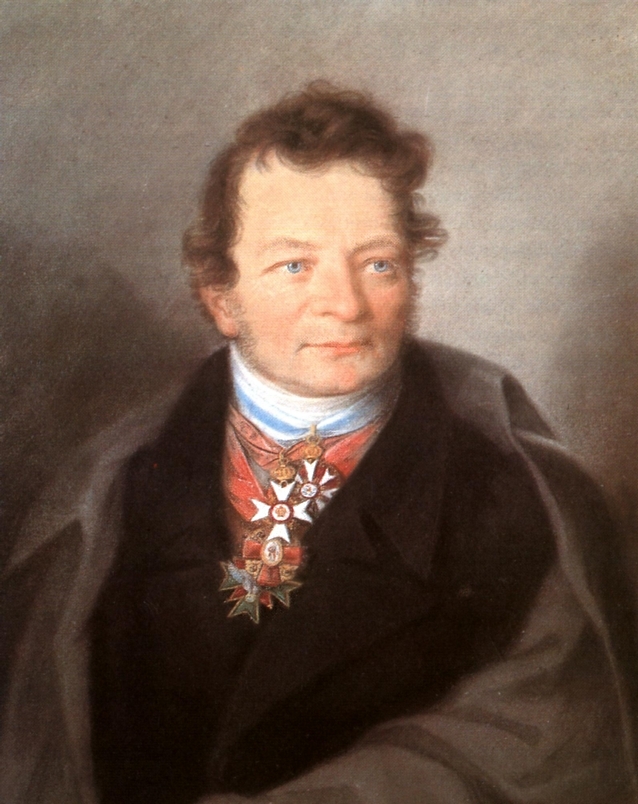
Paul Johann Anselm Ritter von Feuerbach
Paul Johann Anselm Ritter von Feuerbach was a German philosopher and jurist, known for his profound exploration of human psychology and the implications of social justice. His most notable work, "Kaspar Hauser - Beispiel eines Verbrechens am Seelenleben des Menschen," delves into the tragic story of Kaspar Hauser, a young man who appeared in Nuremberg in 1828, claiming to have been raised in isolation. Through this case study, Feuerbach examined the psychological effects of social deprivation and the moral responsibilities of society toward individuals who suffer from such injustices. Feuerbach's writings reflect a deep concern for the human condition, emphasizing the interplay between societal structures and individual well-being. His work not only contributed to the discourse on criminal psychology but also highlighted the need for empathy and understanding in the face of human suffering. Although not as widely recognized today, his insights into the complexities of the human psyche and the impact of societal neglect remain relevant, marking him as a significant figure in the fields of psychology and philosophy during the 19th century.
Link to this page
Add a free, dofollow link to Lex on your blog, forum, syllabus, or reading list.

<a href="https://lex-books.com/author/paul-johann-anselm-ritter-von-feuerbach"><img src="https://lex-books.com/badges/read-on-lex.svg" alt="Paul Johann Anselm Ritter von Feuerbach on Lex" width="160" height="40"></a>[](https://lex-books.com/author/paul-johann-anselm-ritter-von-feuerbach)[url=https://lex-books.com/author/paul-johann-anselm-ritter-von-feuerbach][img]https://lex-books.com/badges/read-on-lex.svg[/img][/url]Paul Johann Anselm Ritter von Feuerbach on Lex: https://lex-books.com/author/paul-johann-anselm-ritter-von-feuerbach