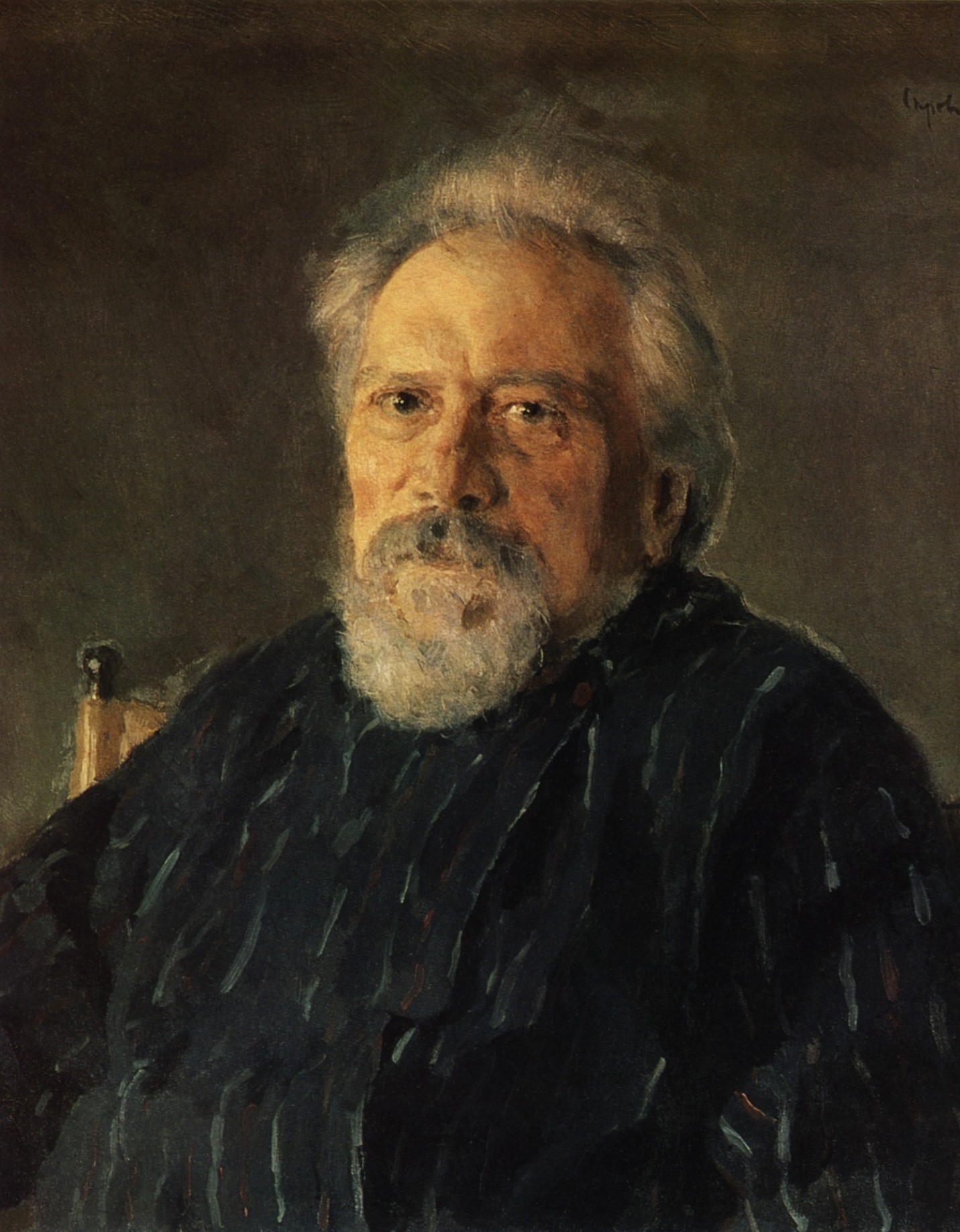
Nikolai Leskov
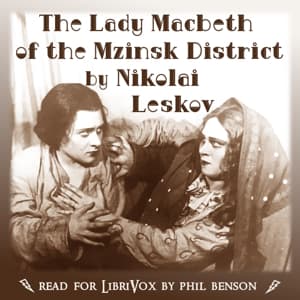
Nikolai Leskov was a prominent Russian writer known for his vivid storytelling and deep exploration of Russian life and character. Born in 1831 in the Oryol province, Leskov's early experiences in a rural setting heavily influenced his literary voice. He initially worked as a clerk and later as a journalist, which honed his observational skills and understanding of society. His writing career took off in the 1860s, and he became known for his short stories and novels that often depicted the lives of ordinary people, infused with a sense of realism and moral complexity. Notable works include 'Lady Macbeth of Mtsensk,' a tale of passion and betrayal that challenged societal norms, and 'The Enchanted Wanderer,' which blends folklore with philosophical musings on fate and free will. Leskov's literary significance lies in his ability to capture the essence of Russian culture and the human condition, often using humor and irony to critique social issues. He was a master of the short story form, and his narratives frequently featured richly drawn characters and intricate plots. Despite facing criticism during his lifetime, Leskov's works have gained recognition for their unique voice and insight into the Russian psyche. His legacy endures as a key figure in Russian literature, influencing writers who followed and providing a lens through which to view the complexities of 19th-century Russian society.
Books from the author
Link to this page
Add a free, dofollow link to Lex on your blog, forum, syllabus, or reading list.

<a href="https://lex-books.com/author/nikolai-leskov"><img src="https://lex-books.com/badges/read-on-lex.svg" alt="Nikolai Leskov on Lex" width="160" height="40"></a>[](https://lex-books.com/author/nikolai-leskov)[url=https://lex-books.com/author/nikolai-leskov][img]https://lex-books.com/badges/read-on-lex.svg[/img][/url]Nikolai Leskov on Lex: https://lex-books.com/author/nikolai-leskov