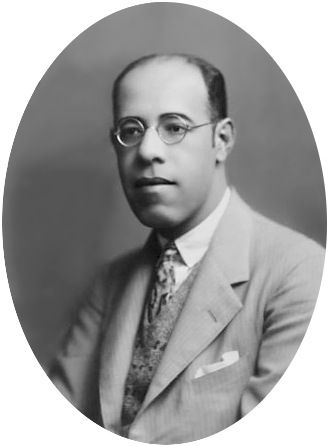
Mário de Andrade
Mário de Andrade was a pivotal figure in Brazilian literature and music, often regarded as the father of modernist literature in Brazil. Born in São Paulo, he emerged as a leading voice in the Brazilian Modernist movement during the early 20th century, advocating for a distinct national identity in the arts that reflected the complexities of Brazilian culture. His most notable work, 'Macunaíma,' published in 1928, is a landmark novel that blends folklore, social commentary, and innovative narrative techniques, encapsulating the spirit of Brazilian modernism. The protagonist, a trickster figure, embodies the contradictions of Brazilian society, making the novel a profound exploration of identity and culture. In addition to his literary contributions, Andrade was a passionate musicologist and played a crucial role in promoting Brazilian music. His essays and writings on music helped to elevate the status of Brazilian folk traditions and influenced generations of musicians and composers. Andrade's legacy extends beyond his works; he was instrumental in establishing cultural institutions in Brazil, including the São Paulo Museum of Modern Art. His commitment to fostering a unique Brazilian cultural identity has left an indelible mark on the nation's artistic landscape, making him a central figure in the history of Brazilian literature and culture.
Link to this page
Add a free, dofollow link to Lex on your blog, forum, syllabus, or reading list.

<a href="https://lex-books.com/author/mrio-de-andrade"><img src="https://lex-books.com/badges/read-on-lex.svg" alt="Mário de Andrade on Lex" width="160" height="40"></a>[](https://lex-books.com/author/mrio-de-andrade)[url=https://lex-books.com/author/mrio-de-andrade][img]https://lex-books.com/badges/read-on-lex.svg[/img][/url]Mário de Andrade on Lex: https://lex-books.com/author/mrio-de-andrade