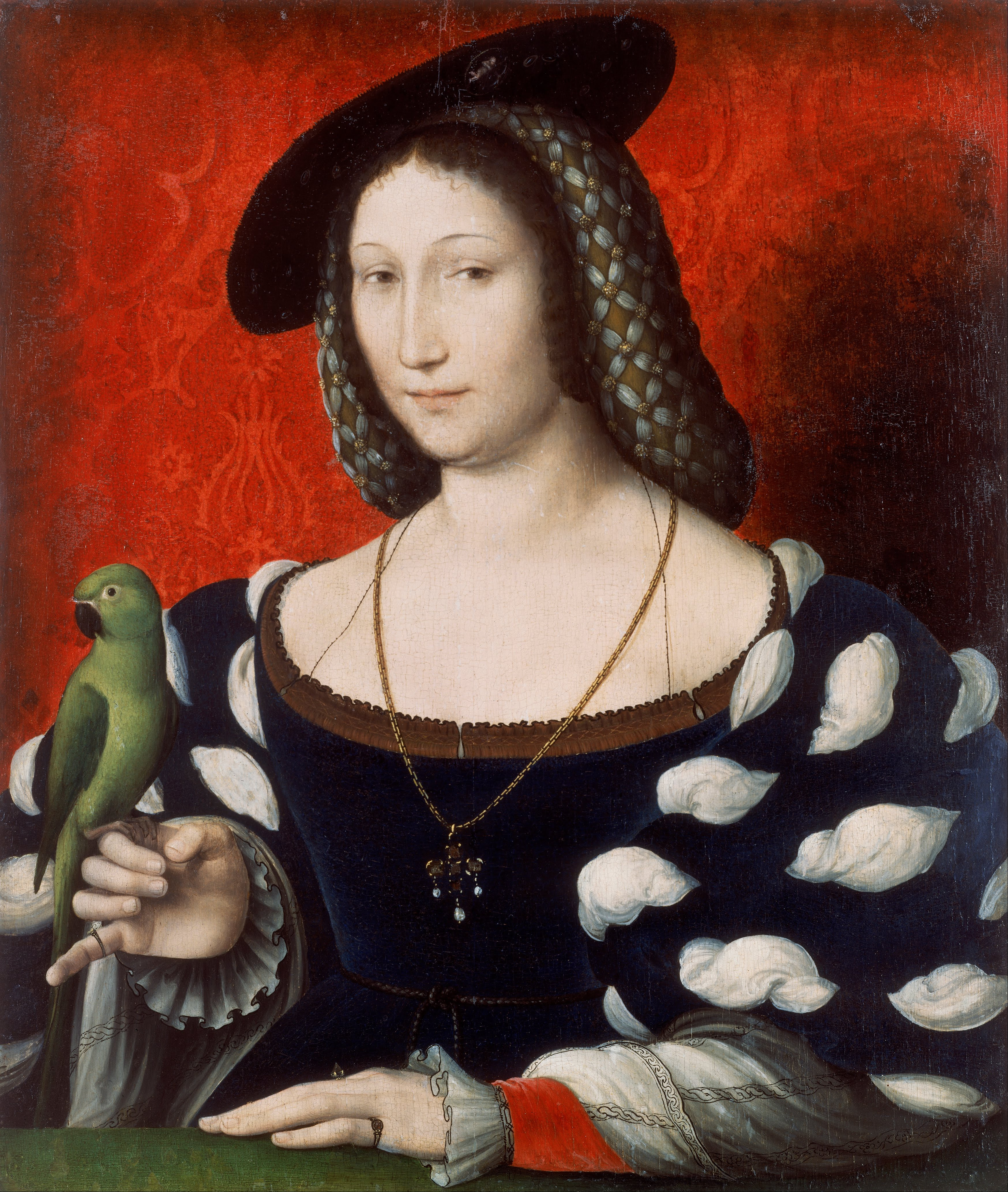
Marguerite of Navarre
Marguerite of Navarre was a prominent French writer and a key figure of the Renaissance, known for her literary contributions that blended elements of spirituality and secular themes. Born into the royal family of Navarre, she was the sister of King Francis I of France and played a significant role in the cultural and intellectual life of her time. Marguerite's most notable work, 'Heptameron,' is a collection of 72 short stories that reflect her keen insight into human nature, love, and morality, often drawing comparisons to Boccaccio's 'Decameron.' Through these tales, she explored themes of desire, fidelity, and the complexities of relationships, showcasing her ability to navigate both the sacred and the profane. Marguerite's influence extended beyond her literary achievements; she was also a patron of the arts and a supporter of the Reformation, advocating for religious tolerance during a time of significant upheaval in France. Her writings contributed to the development of the French narrative tradition and established her as one of the earliest female authors in the Western literary canon. Marguerite of Navarre's legacy endures through her pioneering role in literature and her exploration of themes that continue to resonate with readers today.
Audiobooks from the author




Link to this page
Add a free, dofollow link to Lex on your blog, forum, syllabus, or reading list.

<a href="https://lex-books.com/author/marguerite-of-navarre"><img src="https://lex-books.com/badges/read-on-lex.svg" alt="Marguerite of Navarre on Lex" width="160" height="40"></a>[](https://lex-books.com/author/marguerite-of-navarre)[url=https://lex-books.com/author/marguerite-of-navarre][img]https://lex-books.com/badges/read-on-lex.svg[/img][/url]Marguerite of Navarre on Lex: https://lex-books.com/author/marguerite-of-navarre