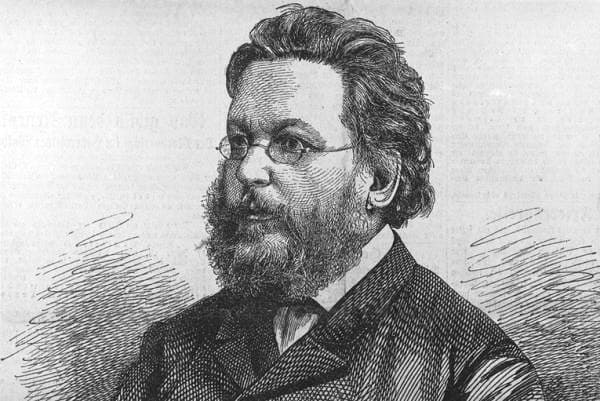
Ludwig Speidel
Ludwig Speidel was a prominent German writer and critic, renowned for his influential contributions to music, theater, and literature during the latter half of the 19th century in Vienna. His keen insights and articulate critiques established him as a leading voice in the cultural landscape of the time, where he engaged with the vibrant artistic movements that characterized the era. Speidel's work not only reflected the complexities of contemporary artistic expression but also shaped public perception of various artistic figures and trends. Among his notable contributions, Speidel's writings encompassed a range of genres, including essays and reviews that provided a critical lens on the evolving cultural scene. He was particularly recognized for his ability to articulate the nuances of musical and theatrical performances, which earned him respect among both artists and audiences alike. His legacy lies in his role as a bridge between the artistic innovations of his time and the broader cultural discourse, making him a significant figure in the history of German literary and critical thought.
Books from the author

