Lording Barry
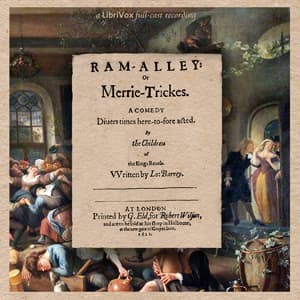
Lording Barry was an English playwright and poet active during the late 16th and early 17th centuries, known for his contributions to the early development of English drama. His most notable works include 'Ram Alley, or Merry Tricks,' a comedic play that showcases the lively and often chaotic interactions of its characters, reflecting the social dynamics of the time. Barry's writing is characterized by its wit and humor, often exploring themes of love and deception, which were prevalent in the theatrical landscape of the Elizabethan era. Another significant work, 'Family of Love,' delves into the complexities of familial relationships and societal expectations, further establishing Barry's reputation as a playwright who engaged with contemporary issues. Though not as widely recognized as some of his contemporaries, Barry's works contributed to the rich tapestry of early modern English theatre, influencing later playwrights and providing insight into the cultural milieu of his time. His ability to blend comedy with social commentary marks him as a notable figure in the evolution of English drama, leaving a legacy that continues to be studied and appreciated by scholars and theatre enthusiasts alike.


Link to this page
Add a free, dofollow link to Lex on your blog, forum, syllabus, or reading list.

<a href="https://lex-books.com/author/lording-barry"><img src="https://lex-books.com/badges/read-on-lex.svg" alt="Lording Barry on Lex" width="160" height="40"></a>[](https://lex-books.com/author/lording-barry)[url=https://lex-books.com/author/lording-barry][img]https://lex-books.com/badges/read-on-lex.svg[/img][/url]Lording Barry on Lex: https://lex-books.com/author/lording-barry