
Lao Tzu
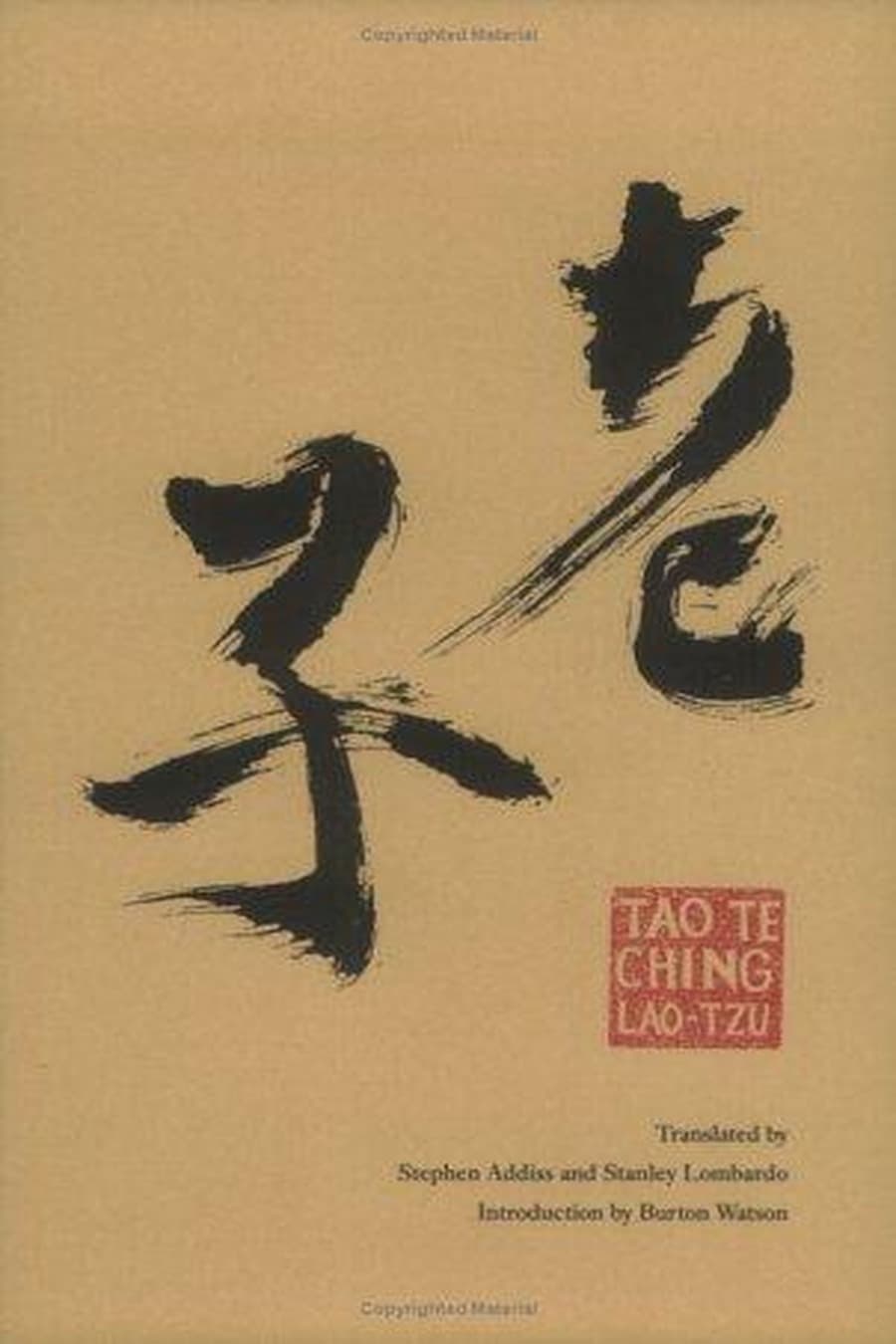
Lao Tzu, an ancient Chinese philosopher and writer, is best known as the founder of Taoism and the author of the 'Tao Te Ching,' a foundational text that has influenced Eastern philosophy and spirituality for centuries. Little is known about his life, and much of what is attributed to him is shrouded in legend. Traditionally believed to have lived in the 6th century BCE, Lao Tzu is often depicted as a contemporary of Confucius, though historical evidence for his existence is sparse. His teachings emphasize harmony with the Tao, or the fundamental nature of the universe, advocating for simplicity, humility, and compassion as pathways to a balanced life. The 'Tao Te Ching' is a poetic work that explores the nature of existence and the importance of aligning oneself with the Tao. Its aphoristic style and profound insights have made it a subject of study and interpretation across various cultures. Lao Tzu's ideas have not only shaped Chinese thought but have also resonated with Western philosophies, particularly in the realms of existentialism and environmentalism. His legacy endures through the continued relevance of his teachings, which encourage a deep connection with nature and a contemplative approach to life, making him a pivotal figure in both philosophy and spirituality.
Famous Quotes
View all 20 quotes“Being deeply loved by someone gives you strength, while loving someone deeply gives you courage.””
“Simplicity, patience, compassion.These three are your greatest treasures.Simple in actions and thoughts, you return to the source of being.Patient with both friends and enemies,you accord with the way things are.Compassionate toward yourself,you reconcile all beings in the world.””
“The journey of a thousand miles begins with a single step.””
Books from the author
Link to this page
Add a free, dofollow link to Lex on your blog, forum, syllabus, or reading list.

<a href="https://lex-books.com/author/lao-tzu"><img src="https://lex-books.com/badges/read-on-lex.svg" alt="Lao Tzu on Lex" width="160" height="40"></a>[](https://lex-books.com/author/lao-tzu)[url=https://lex-books.com/author/lao-tzu][img]https://lex-books.com/badges/read-on-lex.svg[/img][/url]Lao Tzu on Lex: https://lex-books.com/author/lao-tzu