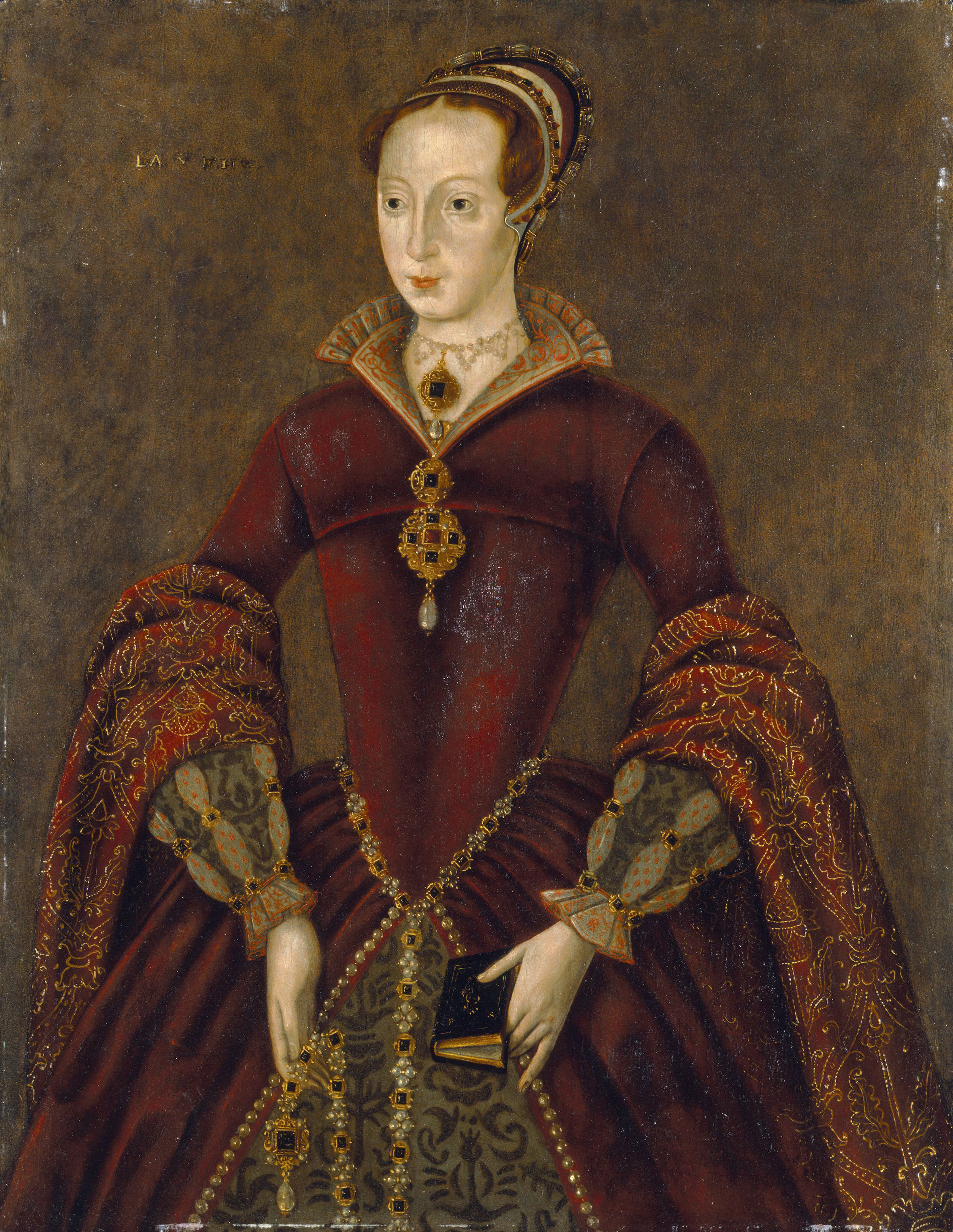
Lady Jane Grey
Lady Jane Grey, known as the Nine Days' Queen, was a significant figure in the tumultuous period of Tudor England. Born into a powerful family, she was the great-granddaughter of Henry VII and received an exceptional education, which was uncommon for women of her time. Her ascent to the throne was largely a result of political machinations following the death of Edward VI, who named her as his successor in an attempt to maintain Protestant rule. However, her reign was short-lived, as Mary I quickly rallied support and deposed her, leading to Jane's imprisonment and eventual execution. Despite her brief rule, Lady Jane Grey's story has captivated historians and writers alike, symbolizing the dangers of political ambition and the precarious nature of power. Her tragic fate has inspired numerous works of literature and drama, highlighting her as a martyr for the Protestant cause. The legacy of Lady Jane Grey endures as a poignant reminder of the personal costs of political conflict in a time of religious upheaval, and she remains a subject of fascination in studies of Tudor history and women's roles in power.
Audiobooks from the author


Link to this page
Add a free, dofollow link to Lex on your blog, forum, syllabus, or reading list.

<a href="https://lex-books.com/author/lady-jane-grey"><img src="https://lex-books.com/badges/read-on-lex.svg" alt="Lady Jane Grey on Lex" width="160" height="40"></a>[](https://lex-books.com/author/lady-jane-grey)[url=https://lex-books.com/author/lady-jane-grey][img]https://lex-books.com/badges/read-on-lex.svg[/img][/url]Lady Jane Grey on Lex: https://lex-books.com/author/lady-jane-grey