
Katherine Routledge
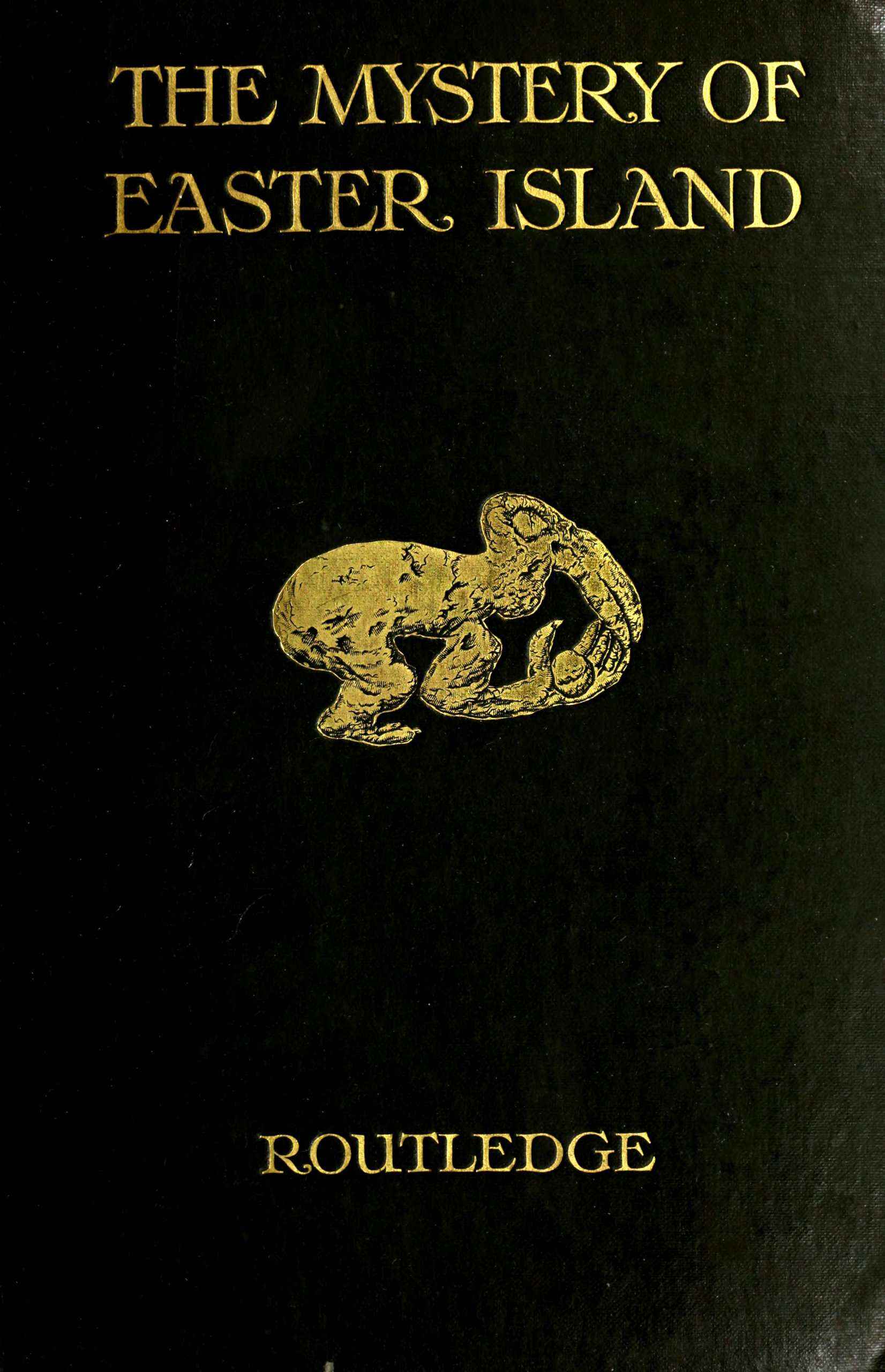
Katherine Routledge was an influential English archaeologist and anthropologist, renowned for her pioneering work on Easter Island. Born into a wealthy Quaker family in Darlington, she pursued her education at Somerville College, Oxford, where she graduated with Honours in Modern History in 1895. Her early career included teaching and involvement in social issues, such as investigating the resettlement of women in South Africa after the Second Boer War. In 1906, she married fellow researcher William Scoresby Routledge, and together they conducted significant anthropological studies among the Kikuyu people in British East Africa, culminating in their co-authored book, *With A Prehistoric People*. In 1914, Katherine undertook the first comprehensive survey of Easter Island, a project that would establish her as a key figure in the field of archaeology. Her meticulous documentation and analysis of the island's moai statues and cultural practices provided invaluable insights into the history and significance of this remote location. Routledge's work not only contributed to the understanding of Easter Island's past but also highlighted the importance of preserving its cultural heritage. Her legacy endures through her contributions to archaeology and anthropology, as she paved the way for future research in these fields, particularly regarding the study of isolated cultures and their histories.
Famous Quotes
View all 3 quotes“Medieval Russia, 980–1584 by Janet Martin (2007, Cambridge University Press). I have also benefited from Russian Folk Belief by Linda Ivanits (second edition, Routledge, 2015). The Domostroi is””
“Books and Articles Adler, Margot. Drawing Down the Moon: Witches, Druids, Goddess-Worshippers, and Other Pagans in America. New York: Penguin Books, 1979. Anglo, Sydney, ed. The Damned Art: Essays in the Literature of Witchcraft. London and Boston: Routledge & K. Paul, 1977. Baker, Emerson W. The Devil of Great Island: Witchcraft and Conflict in Early New England. New York: Palgrave Macmillan, 2007. Behringer, Wolfgang. Witches and Witch-Hunts: A Global History. Cambridge, UK, and Malden, MA: Polity Press, 2004.””
“Purkiss, Diane. The Witch in History: Early Modern and Twentieth-Century Representations. New York: Routledge, 1996. Ray, Benjamin. “The Geography of Witchcraft Accusations in 1692 Salem Village.” The William and Mary Quarterly 65, no. 3 (2008): 449–78. Roach, Marilynne K. The Salem Witch Trials: A Day-by-Day Chronicle of a Community Under Siege. New York: Cooper Square Press, 2002. Rosenthal, Bernard. Salem Story: Reading the Witch Trials of 1692. Cambridge, UK: Cambridge University Press, 1993. Rosenthal, Bernard, Gretchen A. Adams, et al., eds. Records of the Salem Witch-Hunt. Cambridge, UK: Cambridge University Press, 2009. Thomas, Keith. Religion and the Decline of Magic. New York: Scribner, 1971. Trask, Richard B. The Devil Hath Been Raised: A Documentary History of the Salem Village Witchcraft Outbreak of March 1692: Together with a Collection of Newly Located and Gathered Witchcraft Documents. Danvers, MA: Yeoman Press, 1997. Weisman, Richard. Witchcraft, Magic, and Religion in 17th-Century Massachusetts. Amherst: University of Massachusetts Press, 1984.””
Books from the author



Link to this page
Add a free, dofollow link to Lex on your blog, forum, syllabus, or reading list.

<a href="https://lex-books.com/author/katherine-routledge"><img src="https://lex-books.com/badges/read-on-lex.svg" alt="Katherine Routledge on Lex" width="160" height="40"></a>[](https://lex-books.com/author/katherine-routledge)[url=https://lex-books.com/author/katherine-routledge][img]https://lex-books.com/badges/read-on-lex.svg[/img][/url]Katherine Routledge on Lex: https://lex-books.com/author/katherine-routledge