Julie M. Lippmann
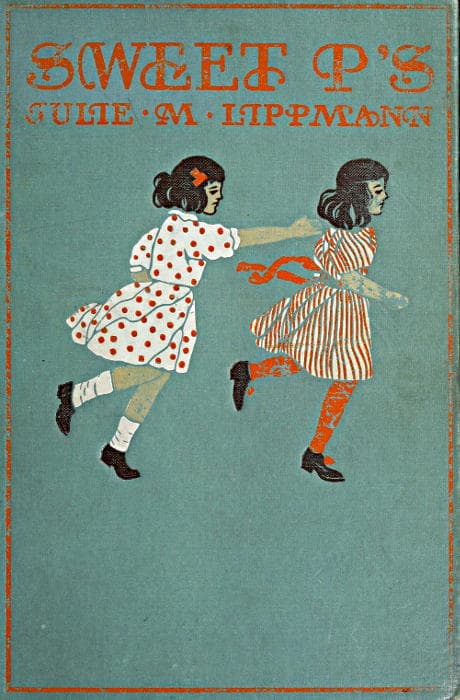
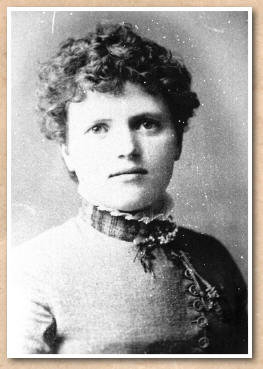
Julie M. Lippmann was a multifaceted writer and literary critic whose contributions spanned novels, plays, poetry, and political writing. Born in Brooklyn, New York, she received her education through private schools and a governess, which laid the groundwork for her extensive literary career. Lippmann was an active supporter of women's suffrage and utilized her writing to advocate for social change. Her novel 'Martha By-The-Day' was notably adapted for the stage in 1914, showcasing her ability to bridge literature and performance. Additionally, her work 'Burkeses Amy' inspired the 1919 film 'The Hoodlum', further cementing her influence in early 20th-century American culture. Lippmann's literary significance is marked by her engagement with contemporary social issues, particularly during World War I, when she contributed to U.S. propaganda efforts. Her friendships with prominent literary figures such as Louisa May Alcott and Mark Twain reflect her standing in the literary community of her time. Through her diverse body of work and her commitment to advocacy, Lippmann left a lasting impact on American literature and the feminist movement, making her a notable figure in the landscape of early 20th-century writers.
Books from the author





Link to this page
Add a free, dofollow link to Lex on your blog, forum, syllabus, or reading list.

<a href="https://lex-books.com/author/julie-m-lippmann"><img src="https://lex-books.com/badges/read-on-lex.svg" alt="Julie M. Lippmann on Lex" width="160" height="40"></a>[](https://lex-books.com/author/julie-m-lippmann)[url=https://lex-books.com/author/julie-m-lippmann][img]https://lex-books.com/badges/read-on-lex.svg[/img][/url]Julie M. Lippmann on Lex: https://lex-books.com/author/julie-m-lippmann