
Julian of Norwich
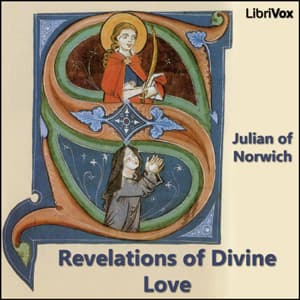
Julian of Norwich was a medieval mystic and theologian, renowned for her profound spiritual insights and writings. Living in the 14th century, she is best known for her work 'Revelations of Divine Love,' which is considered one of the earliest works of English literature written by a woman. Julian experienced a series of visions during a severe illness, which she interpreted as divine revelations. Her writings reflect a deep sense of God's love and mercy, emphasizing themes of hope and the nature of sin and redemption. Julian's unique perspective on the relationship between humanity and the divine has made her a significant figure in Christian mysticism. Her contributions were groundbreaking for their time, particularly her emphasis on the feminine aspects of God and the nurturing qualities of divine love. Julian's thoughts on suffering and the assurance of God's love have resonated through the centuries, influencing both religious and literary traditions. Despite being relatively obscure during her lifetime, her work has gained recognition in modern times, establishing her as a key figure in the history of Christian thought and women's spirituality.
Famous Quotes
View all 20 quotes“All shall be well, and all shall be well and all manner of thing shall be well.””
“He said not 'Thou shalt not be tempested, thou shalt not be travailed, thou shalt not be dis-eased'; but he said, 'Thou shalt not be overcome.””
“If there is anywhere on earth a lover of God who is always kept safe, I know nothing of it, for it was not shown to me. But this was shown: that in falling and rising again we are always kept in that same precious love.””
Audiobooks from the author

Link to this page
Add a free, dofollow link to Lex on your blog, forum, syllabus, or reading list.

<a href="https://lex-books.com/author/julian-of-norwich"><img src="https://lex-books.com/badges/read-on-lex.svg" alt="Julian of Norwich on Lex" width="160" height="40"></a>[](https://lex-books.com/author/julian-of-norwich)[url=https://lex-books.com/author/julian-of-norwich][img]https://lex-books.com/badges/read-on-lex.svg[/img][/url]Julian of Norwich on Lex: https://lex-books.com/author/julian-of-norwich