
José Raúl Capablanca
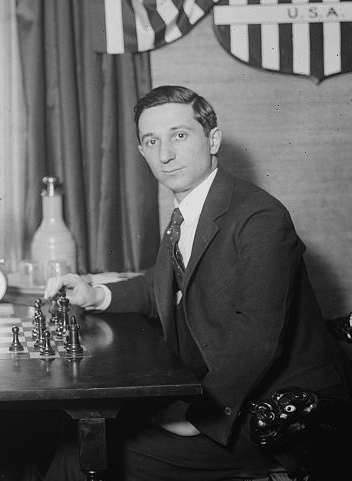
José Raúl Capablanca was a Cuban chess player who became the World Chess Champion from 1921 to 1927. Known for his exceptional talent and natural aptitude for the game, Capablanca was a prodigy who learned chess at a young age and quickly rose to prominence in the chess world. His playing style was characterized by a deep understanding of positional play and an ability to simplify complex positions, which earned him the nickname 'The Chess Machine.' He is often regarded as one of the greatest chess players of all time, and his contributions to chess theory and endgame strategy remain influential today. Capablanca's most notable works include his books "Chess Fundamentals" and "A Primer of Chess," which have served as essential reading for aspiring chess players. His legacy is not only defined by his championship title but also by his role in popularizing chess in the early 20th century. Capablanca's approach to the game emphasized clarity and elegance, setting a standard that many players still aspire to. His impact on chess is felt in both his competitive achievements and his educational contributions, solidifying his place in the history of the game.
Famous Quotes
View all 2 quotes“In order to improve your game, you must study the endgame before everything else, for whereas the endings can be studied and mastered by themselves, the middle game and the opening must be studied in relation to the endgame.””
“you must study the endgame before everything else.””
Books from the author



Link to this page
Add a free, dofollow link to Lex on your blog, forum, syllabus, or reading list.

<a href="https://lex-books.com/author/josé-raúl-capablanca"><img src="https://lex-books.com/badges/read-on-lex.svg" alt="José Raúl Capablanca on Lex" width="160" height="40"></a>[](https://lex-books.com/author/josé-raúl-capablanca)[url=https://lex-books.com/author/josé-raúl-capablanca][img]https://lex-books.com/badges/read-on-lex.svg[/img][/url]José Raúl Capablanca on Lex: https://lex-books.com/author/josé-raúl-capablanca