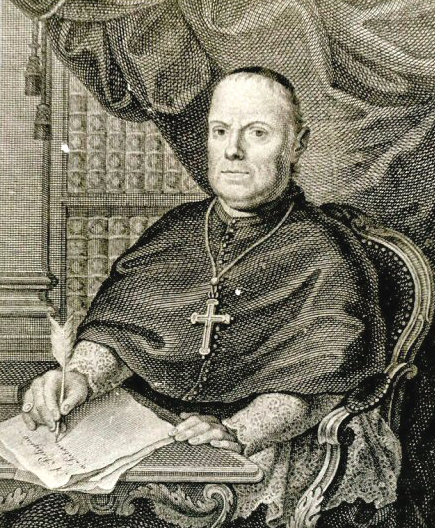
José Joaquim da Cunha de Azeredo Coutinho
José Joaquim da Cunha de Azeredo Coutinho was a prominent Portuguese writer and economist of the 18th and early 19th centuries, known for his influential works that explored the intersections of commerce, justice, and colonialism. His writings reflect the complexities of Portugal's economic landscape during a time of significant political and social change. Notably, his 'Ensaio economico sobre o commercio de Portugal e suas colonias' offered a critical analysis of Portugal's trade practices and their implications for its colonies, showcasing his deep engagement with economic theory and policy. Coutinho's scholarly contributions extended to the realm of legal and ecclesiastical matters, as seen in his work 'Copia da analyse da bulla da Smo Padre Julio III,' which examined the papal bull concerning the military orders in Portugal. This analysis not only highlighted the historical significance of these institutions but also underscored the intricate relationship between religion and governance in Portuguese society. Through his writings, Coutinho sought to influence the political elite, as evidenced by his dedication of works to members of the royal family, thereby positioning himself as a key intellectual figure in the discourse of his time. His legacy lies in his ability to articulate the economic and moral dilemmas faced by Portugal during an era marked by colonial expansion and the ethical implications of slavery, as reflected in his 'Analyse sobre a justiça do commercio do resgate dos escravos da dosta da Africa.' Coutinho's works remain a valuable resource for understanding the historical context of Portugal's colonial policies and their lasting impact on global trade and ethics.
Books from the author

Link to this page
Add a free, dofollow link to Lex on your blog, forum, syllabus, or reading list.

<a href="https://lex-books.com/author/jos-joaquim-da-cunha-de-azeredo-coutinho"><img src="https://lex-books.com/badges/read-on-lex.svg" alt="José Joaquim da Cunha de Azeredo Coutinho on Lex" width="160" height="40"></a>[](https://lex-books.com/author/jos-joaquim-da-cunha-de-azeredo-coutinho)[url=https://lex-books.com/author/jos-joaquim-da-cunha-de-azeredo-coutinho][img]https://lex-books.com/badges/read-on-lex.svg[/img][/url]José Joaquim da Cunha de Azeredo Coutinho on Lex: https://lex-books.com/author/jos-joaquim-da-cunha-de-azeredo-coutinho