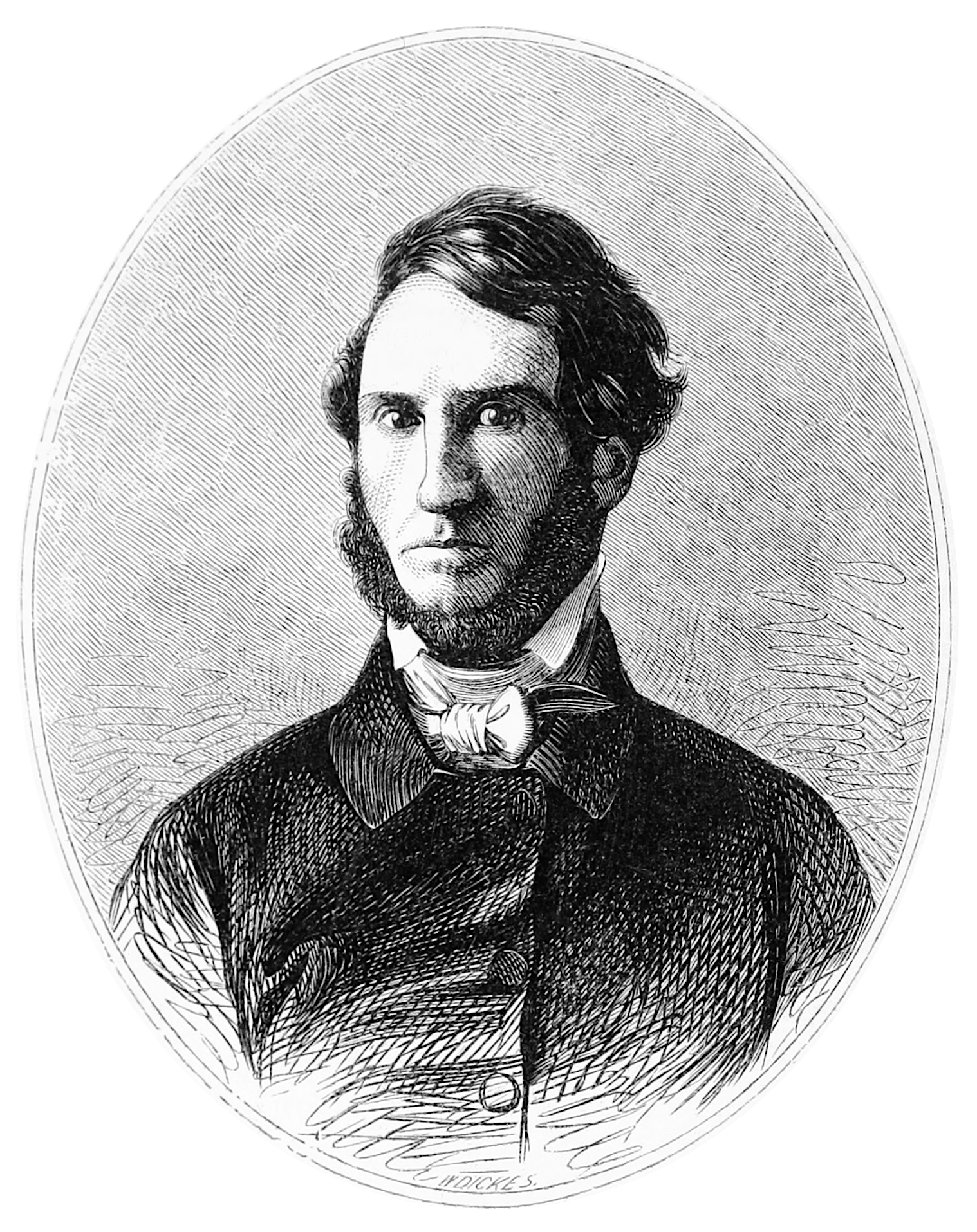
John Lloyd Stephens
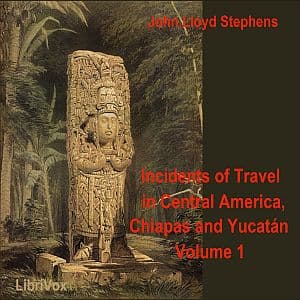
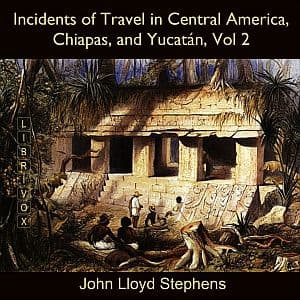
John Lloyd Stephens was an American explorer, writer, and diplomat, best known for his groundbreaking travels in Central America during the mid-19th century. His expeditions, particularly to the ancient Maya cities of Copán and Palenque, were pivotal in bringing attention to the archaeological significance of these sites. In his influential works, including 'Incidents of Travel in Central America, Chiapas, and Yucatán' and 'Incidents of Travel in the Yucatán,' Stephens combined vivid descriptions with insightful commentary, captivating readers and igniting interest in Maya civilization and archaeology. His detailed accounts not only documented the ruins but also provided a narrative that blended adventure with scholarly observation, making his writings accessible to a broad audience. Stephens' contributions extended beyond mere travel writing; he played a crucial role in the early development of archaeology as a discipline. His works inspired future generations of archaeologists and explorers, and his advocacy for the preservation of ancient sites laid the groundwork for modern conservation efforts. Through his vivid storytelling and meticulous research, John Lloyd Stephens emerged as a key figure in the exploration of the New World, leaving a lasting legacy that continues to influence the fields of archaeology and anthropology today.
Famous Quotes
View all 1 quotes“I knew nothing of her story. I had not heard that the ceremony was to take place till late in the evening before, and I had made up my mind that she was old and ugly; but she was not, nor was she faded and worn with sorrow, the picture of a broken heart; nor yet a young and beautiful enthusiast; she was not more than twenty-three, and had one of those good faces which, without setting men wild by their beauty, bear the impress of a nature well qualified for the performance of all duties belonging to daughter, and wife, and mother, speaking the kindliness and warmth of a woman's heart. It was pale, and she seemed conscious of the important step and the solemn vows she was taking, and to have no pangs; and yet who can read what is passing in the human breast?””
Books from the author
Link to this page
Add a free, dofollow link to Lex on your blog, forum, syllabus, or reading list.

<a href="https://lex-books.com/author/john-lloyd-stephens"><img src="https://lex-books.com/badges/read-on-lex.svg" alt="John Lloyd Stephens on Lex" width="160" height="40"></a>[](https://lex-books.com/author/john-lloyd-stephens)[url=https://lex-books.com/author/john-lloyd-stephens][img]https://lex-books.com/badges/read-on-lex.svg[/img][/url]John Lloyd Stephens on Lex: https://lex-books.com/author/john-lloyd-stephens