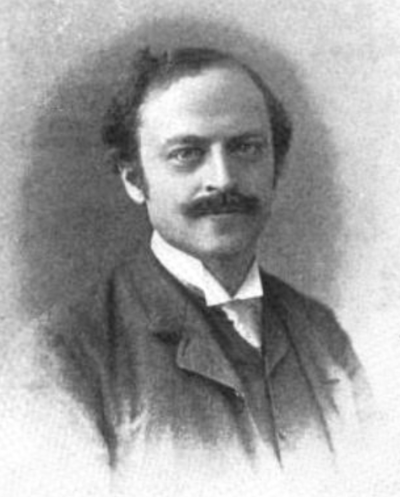
Jesse P. Battershall
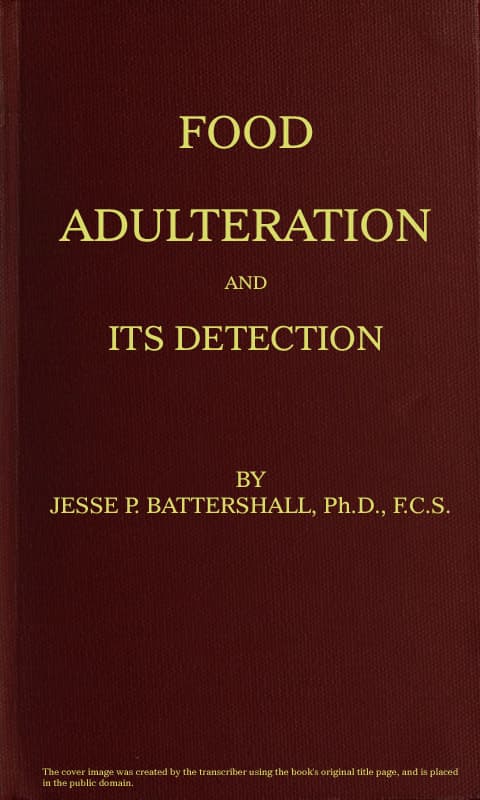
Jesse P. Battershall was an American author and scientist known for his significant contributions to the field of food science in the late 19th century. His most notable work, 'Food Adulteration and Its Detection,' published in 1881, provided a comprehensive examination of the various methods used to adulterate food and the techniques for detecting such practices. This work was particularly influential during a time when food safety was becoming an increasingly important public concern, and it highlighted the need for stricter regulations and consumer awareness regarding food quality. Battershall's writing combined scientific rigor with practical applications, making his findings accessible to both professionals in the field and the general public. His use of photomicrographic plates in 'Food Adulteration and Its Detection' was innovative for its time, providing visual evidence to support his claims about food quality and safety. Although his life was cut short, Battershall's work laid the groundwork for future advancements in food safety and quality control, marking him as a pioneering figure in the intersection of science and public health during the Victorian era.
Books from the author


Link to this page
Add a free, dofollow link to Lex on your blog, forum, syllabus, or reading list.

<a href="https://lex-books.com/author/jesse-p-battershall"><img src="https://lex-books.com/badges/read-on-lex.svg" alt="Jesse P. Battershall on Lex" width="160" height="40"></a>[](https://lex-books.com/author/jesse-p-battershall)[url=https://lex-books.com/author/jesse-p-battershall][img]https://lex-books.com/badges/read-on-lex.svg[/img][/url]Jesse P. Battershall on Lex: https://lex-books.com/author/jesse-p-battershall