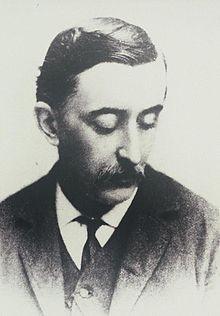
Hyakuzō Kurata
Hyakuzō Kurata was a prominent Japanese novelist and essayist known for his exploration of social issues and human relationships in the Meiji and Taisho eras. Born in 1866, he emerged as a significant literary figure during a time of rapid modernization in Japan. His works often reflect the tensions between traditional Japanese values and the influences of Western culture, making him a critical voice in the literary landscape of his time. Kurata's writing is characterized by its psychological depth and nuanced character development, allowing readers to engage with the complexities of human emotions and societal expectations. One of his notable works, 'Priest and His Disciples,' delves into themes of faith, morality, and the human condition, showcasing Kurata's ability to intertwine philosophical inquiries with compelling narratives. His literary contributions not only enriched Japanese literature but also provided insights into the cultural shifts occurring in Japan during the late 19th and early 20th centuries. Kurata's legacy endures as a reflection of the struggles and aspirations of a society in transition, and he remains an important figure for understanding the evolution of modern Japanese literature.
Audiobooks from the author


Link to this page
Add a free, dofollow link to Lex on your blog, forum, syllabus, or reading list.

<a href="https://lex-books.com/author/hyakuz-kurata"><img src="https://lex-books.com/badges/read-on-lex.svg" alt="Hyakuzō Kurata on Lex" width="160" height="40"></a>[](https://lex-books.com/author/hyakuz-kurata)[url=https://lex-books.com/author/hyakuz-kurata][img]https://lex-books.com/badges/read-on-lex.svg[/img][/url]Hyakuzō Kurata on Lex: https://lex-books.com/author/hyakuz-kurata