Humphrey Robinson
Humphrey Robinson was a prominent London publisher and bookseller during the mid-seventeenth century, known for his significant contributions to the literary landscape of the time. Born into a family with strong ties to the church, he became a freeman of the Stationers Company in 1623, marking the beginning of his influential career in the book trade. Operating from his shop at the sign of the Three Pigeons in St. Paul's Churchyard, Robinson established himself as one of the largest and most important booksellers of his era, playing a crucial role in the dissemination of literature during a period marked by political and social upheaval. Robinson's publishing activities spanned from 1624 until his death in 1670, during which he was instrumental in promoting a wide array of works, including religious texts, literature, and pamphlets that reflected the tumultuous times. His shop became a hub for authors and readers alike, fostering a vibrant literary culture in London. Robinson's legacy endures through his contributions to the publishing industry, as he helped shape the market for books and laid the groundwork for future generations of booksellers and publishers.
Books from the author

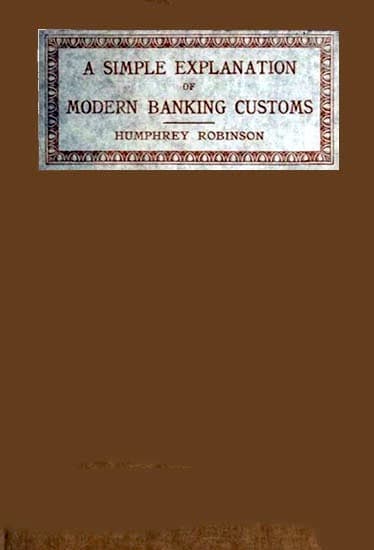



Link to this page
Add a free, dofollow link to Lex on your blog, forum, syllabus, or reading list.

<a href="https://lex-books.com/author/humphrey-robinson"><img src="https://lex-books.com/badges/read-on-lex.svg" alt="Humphrey Robinson on Lex" width="160" height="40"></a>[](https://lex-books.com/author/humphrey-robinson)[url=https://lex-books.com/author/humphrey-robinson][img]https://lex-books.com/badges/read-on-lex.svg[/img][/url]Humphrey Robinson on Lex: https://lex-books.com/author/humphrey-robinson