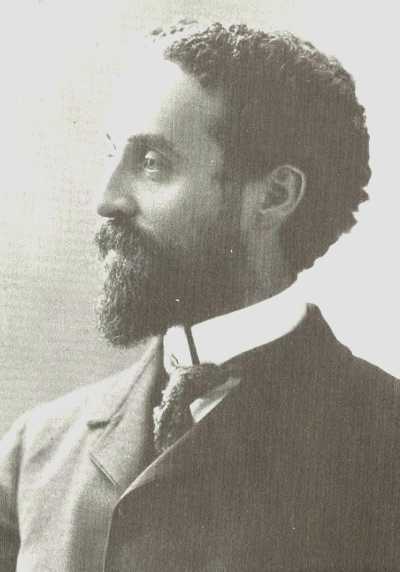
Horatio W. Dresser
Horatio W. Dresser was an influential American philosopher, author, and advocate of the New Thought movement, which emerged in the late 19th century. Born into a family deeply engaged in spiritual and philosophical inquiry, Dresser was profoundly influenced by the teachings of his father, who was a prominent figure in the New Thought community. Dresser's writings emphasized the power of the mind and the importance of positive thinking, which he believed could lead to personal and societal transformation. His notable works include "The Power of Thought" and "The Mind and the Body," where he explored the interconnection between mental states and physical well-being, advocating for a holistic approach to health and spirituality. Dresser's contributions to the New Thought movement were significant, as he helped to popularize ideas that would later influence various self-help and motivational philosophies. His emphasis on the potential of human consciousness and the ability to shape one's reality resonated with many, making him a key figure in the movement's expansion. Dresser's legacy continues to be felt in contemporary discussions about the mind-body connection and the role of positive thinking in achieving personal goals, solidifying his place as a pioneer in the field of metaphysical thought and personal development.
Books from the author

Link to this page
Add a free, dofollow link to Lex on your blog, forum, syllabus, or reading list.

<a href="https://lex-books.com/author/horatio-w-dresser"><img src="https://lex-books.com/badges/read-on-lex.svg" alt="Horatio W. Dresser on Lex" width="160" height="40"></a>[](https://lex-books.com/author/horatio-w-dresser)[url=https://lex-books.com/author/horatio-w-dresser][img]https://lex-books.com/badges/read-on-lex.svg[/img][/url]Horatio W. Dresser on Lex: https://lex-books.com/author/horatio-w-dresser