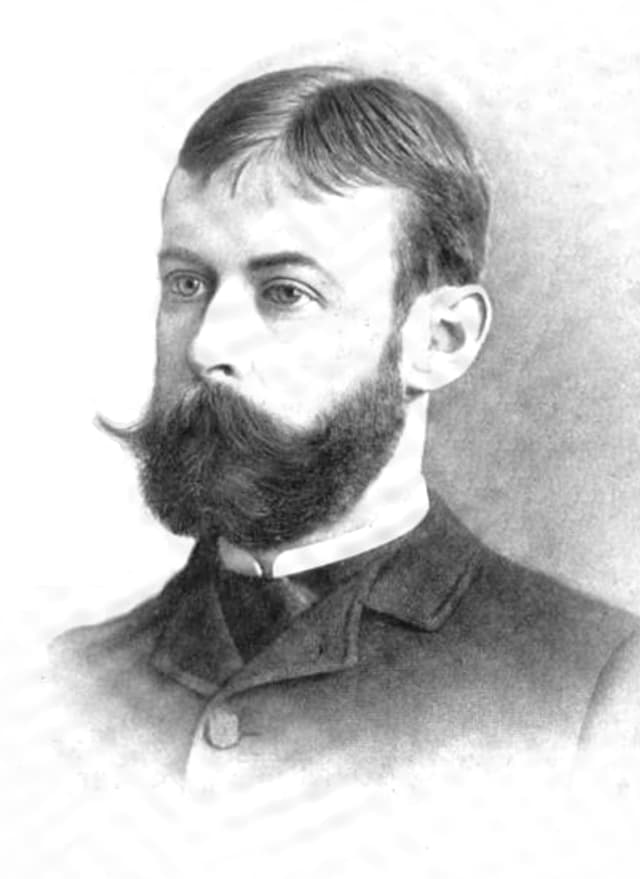
Henry Blake Fuller
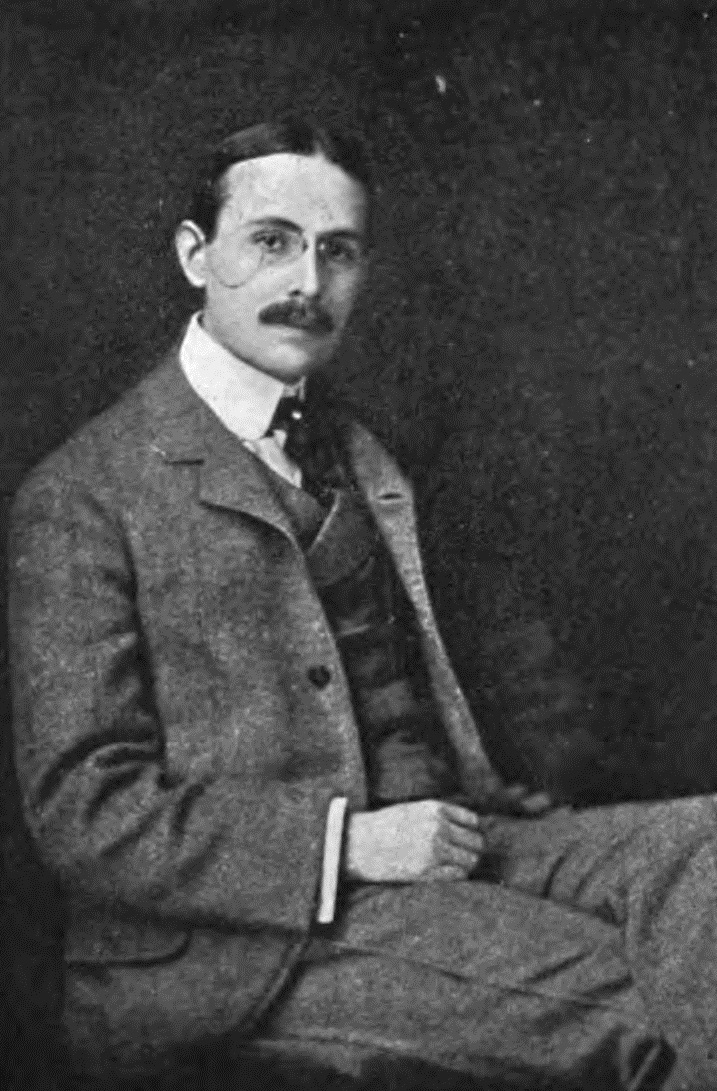
Henry Blake Fuller was an American novelist and short story writer, recognized as one of the earliest authors from Chicago to achieve national acclaim. Born and raised in the bustling city, Fuller’s literary career began in the late 19th century, during which he vividly captured the complexities of urban life. His notable works, including 'The Cliff-Dwellers' and 'With the Procession,' offered insightful critiques of society and the human condition, reflecting the rapid changes occurring in American cities at the time. Fuller's portrayal of city life was groundbreaking, providing a lens through which readers could understand the intricacies of modernity and the struggles of its inhabitants. In addition to his exploration of urban themes, Fuller was a pioneer in addressing homosexuality in American literature. His later works, such as 'The Last of the Last,' delved into themes of sexual identity and desire, making him one of the first established authors to tackle such subjects openly. Fuller's contributions to literature not only paved the way for future writers but also helped to broaden the scope of American fiction, establishing him as a significant figure in the literary landscape of the early 20th century. His legacy endures as a testament to the evolving nature of American literature and the importance of diverse voices within it.
Famous Quotes
View all 2 quotes“He made a careful rehearsal of some of their bits of talk--why had she said this? what had she meant by that? why had she done the other? He dwelt on these matters with an absorbed speculation, and with a young man of Ogden's temperament speculation was but the first step on the way to love.”
“Traps!" he said. "Never in the world! Don't think it! Why, Gower is just a necessary olf bore. Nobody's supposed to know much about him--except instructors and their hapless students.”
Books from the author






Link to this page
Add a free, dofollow link to Lex on your blog, forum, syllabus, or reading list.

<a href="https://lex-books.com/author/henry-blake-fuller"><img src="https://lex-books.com/badges/read-on-lex.svg" alt="Henry Blake Fuller on Lex" width="160" height="40"></a>[](https://lex-books.com/author/henry-blake-fuller)[url=https://lex-books.com/author/henry-blake-fuller][img]https://lex-books.com/badges/read-on-lex.svg[/img][/url]Henry Blake Fuller on Lex: https://lex-books.com/author/henry-blake-fuller