
Helen H. Gardener
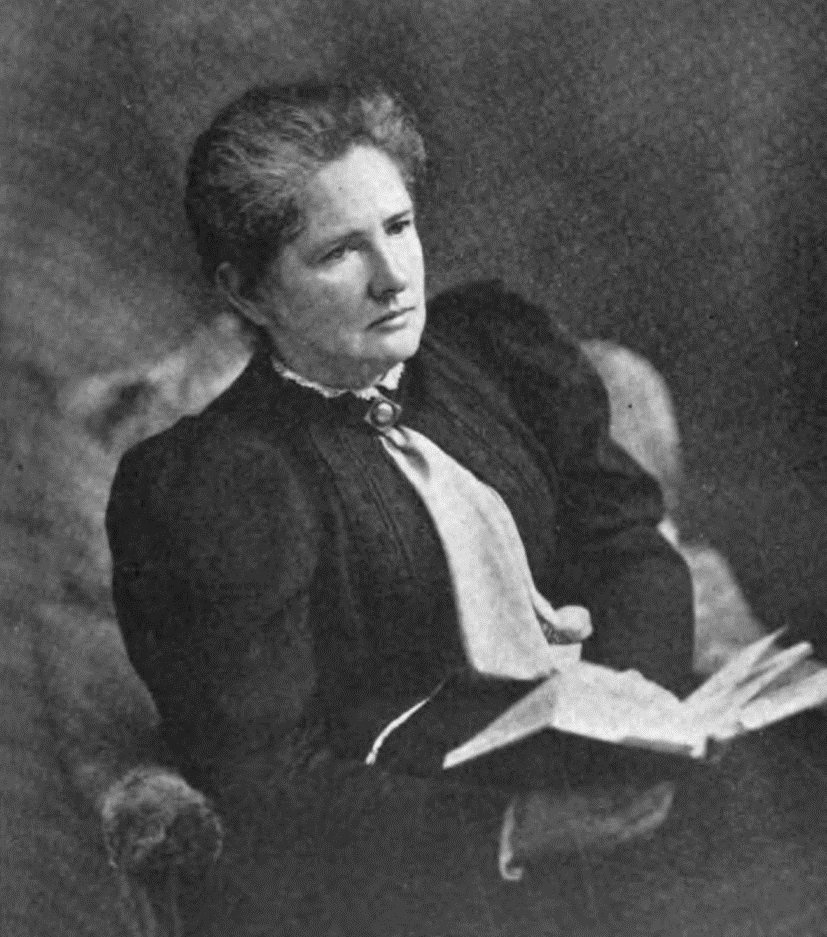
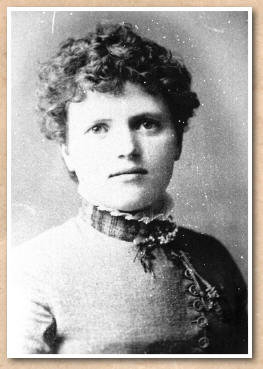
Helen H. Gardener was an influential American author, suffragist, and advocate for women's rights in the late 19th and early 20th centuries. Born in a time when women's voices were often marginalized, she became a prominent figure in the women's suffrage movement, using her writing as a platform to challenge societal norms and advocate for gender equality. Gardener's literary contributions include essays, novels, and poetry, with notable works such as 'The Spirit of Youth and the City Streets' and 'The New Woman.' Her writings often explored themes of feminism, social justice, and the complexities of modern womanhood, making her a significant voice in the literary landscape of her time. In addition to her literary achievements, Gardener was a key player in the suffrage movement, working alongside other notable activists to secure voting rights for women. Her advocacy extended beyond mere rhetoric; she was actively involved in organizations that promoted women's rights and participated in public speaking engagements to raise awareness about the issues facing women. Gardener's legacy is marked by her dual commitment to literature and social reform, and she remains a vital figure in the history of American feminism, inspiring future generations of writers and activists to continue the fight for equality.
Famous Quotes
View all 4 quotes“Have you ever seen a hawk catch a bird in your back garden? I’ve not, but I know it’s happened. I’ve found evidence. Out on the patio flagstones, sometimes, tiny fragments: a little, insect-like songbird leg, with a foot clenched tight where the sinews have pulled it; or – even more gruesomely – a disarticulated beak, a house-sparrow beak top, or bottom, a little conical bead of blushed gunmetal, slightly translucent, with a few faint maxillary feathers adhering to it. But maybe you have: maybe you’ve glanced out of the window and seen there, on the lawn, a bloody great hawk murdering a pigeon, or a blackbird, or a magpie, and it looks the hugest, most impressive piece of wildness you’ve ever seen, like someone’s tipped a snow leopard into your kitchen and you find it eating the cat.””
“The world she lives in is not mine. Life is faster for her; time runs slower. Her eyes can follow the wingbeats of a bee as easily as ours follow the wingbeats of a bird. What is she seeing? I wonder, and my brain does flipflops trying to imagine it, because I can't.I have three different receptor-sensitivities in my eyes: red, green and blue. Hawks, like other birds have four. This hawk can see colours I cannot, right into the ultra-violet spectrum. She can see polarised light, too, watch thermals of warm air rise, roil, and spill into clouds, and trace, too, the magnetic lines of force that stretch across the earth. The light falling into her deep black pupils is registered with such frightening precision that she can see with fierce clarity things I can't possibly resolve from the generalised blur. The claws on the toes of the house martins overhead. The veins on the wings of the white butterfly hunting its wavering course over the mustards at the end of the garden. I'm standing there, my sorry human eyes overwhelmed by light and detail, while the hawk watches everything with the greedy intensity of a child filling in a colouring book, scribbling joyously, blocking in colour, making the pages its own.””
“When I was an undergraduate we were told that history had ended, and we all believed it. When the Berlin Wall fell, what history was made of was over. No more Cold War. No more wars. And yet here it was, and is and all of it falling apart. Endings. Worlds dissolving. Weather systems, baking systems, the careful plans of municipal gardeners. Families, hearts, lives.””
Books from the author








Link to this page
Add a free, dofollow link to Lex on your blog, forum, syllabus, or reading list.

<a href="https://lex-books.com/author/helen-h-gardener"><img src="https://lex-books.com/badges/read-on-lex.svg" alt="Helen H. Gardener on Lex" width="160" height="40"></a>[](https://lex-books.com/author/helen-h-gardener)[url=https://lex-books.com/author/helen-h-gardener][img]https://lex-books.com/badges/read-on-lex.svg[/img][/url]Helen H. Gardener on Lex: https://lex-books.com/author/helen-h-gardener