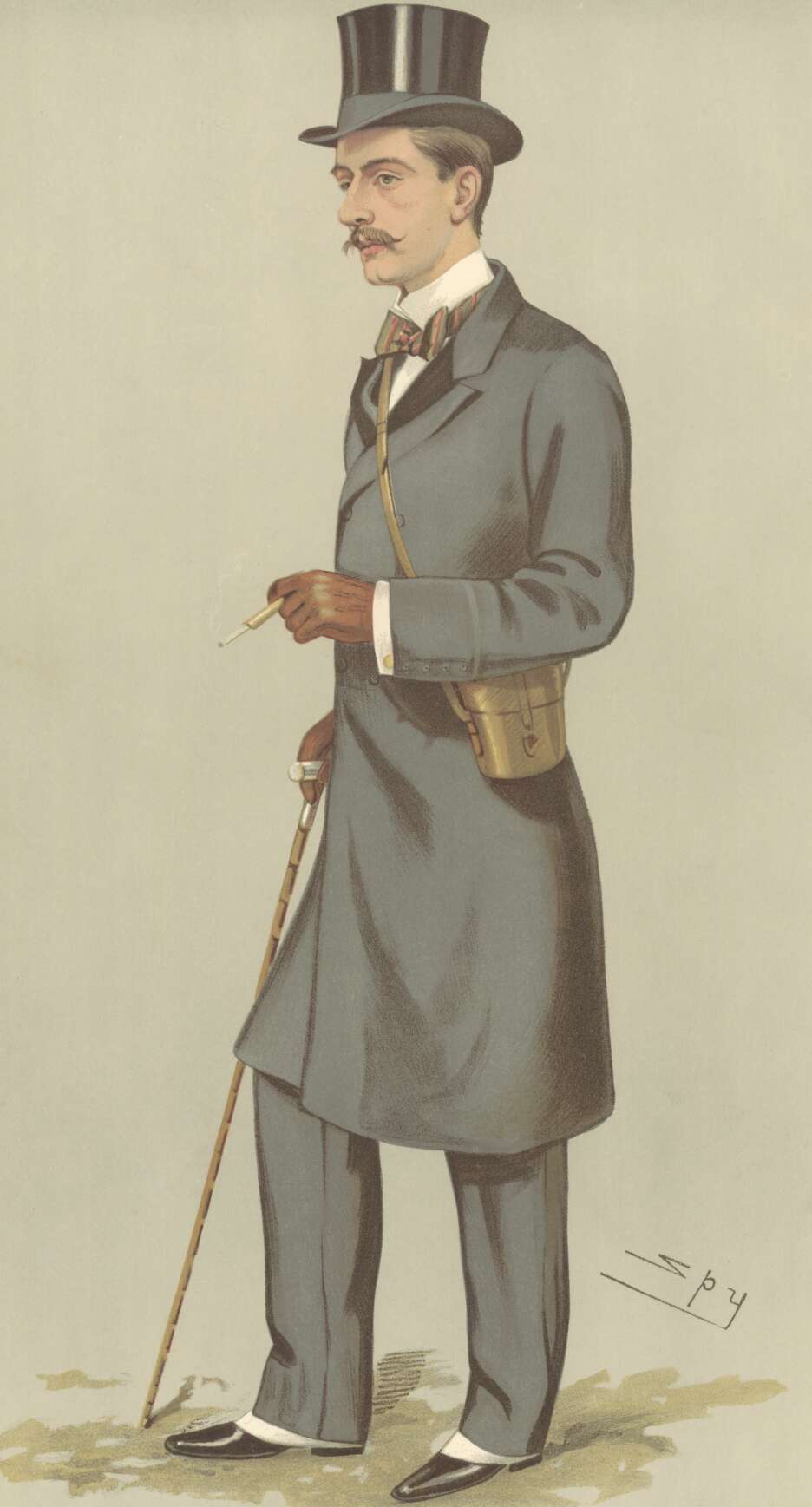
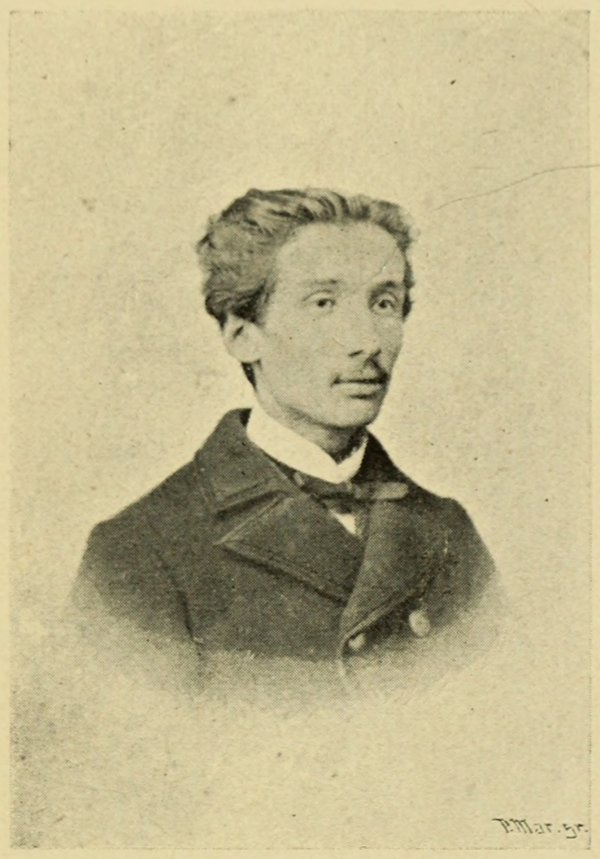
Harry Inwards
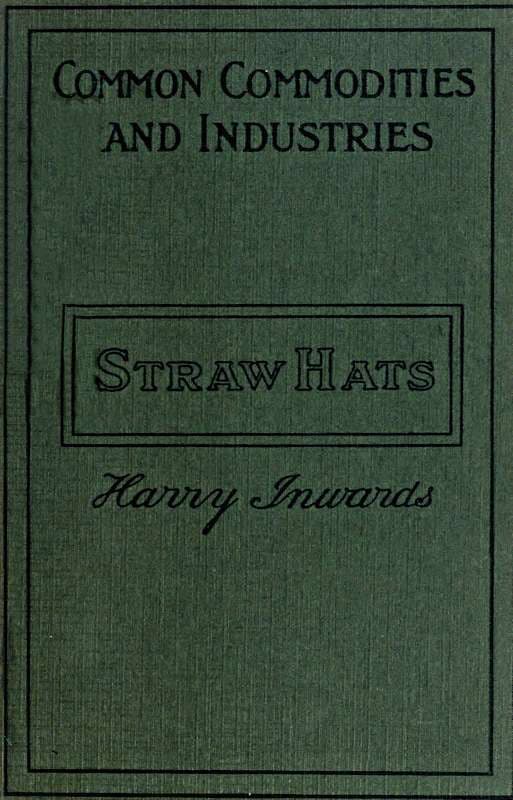
Harry Inwards was a notable figure in the field of textile and hat manufacturing, particularly recognized for his contributions to the study of straw hats. His seminal work, "Straw Hats: Their History and Manufacture," delves into the intricate processes involved in the creation of straw hats, tracing their evolution from simple headgear to fashionable accessories. Inwards' meticulous research not only highlights the craftsmanship involved in hat-making but also contextualizes the cultural significance of straw hats throughout history. Inwards' exploration of this niche subject matter reveals the intersection of art, industry, and social trends, making his work a valuable resource for historians and fashion enthusiasts alike. His dedication to documenting the history and techniques of straw hat manufacture has left a lasting impact on the understanding of this unique aspect of textile history, positioning him as an important figure in the study of fashion and material culture.
Famous Quotes
View all 4 quotes“Complaints of feeling cut off, shut off, out of touch, feeling apart or strange, of things being out of focus or unreal, of not feeling one with people, or of the point having gone out of life, interest flagging, things seeming futile and meaningless, all describe in various ways this state of mind. Patients usually call it 'depression', but it lacks the heavy, black, inner sense of brooding, of anger and of guilt, which are not difficult to discover in classic depression. Depression is really a more extraverted state of mind, which, while the patient is turning his aggression inwards against himself, is part of a struggle not to break out into overt angry and aggressive behaviour. The states described above are rather the 'schizoid states'. They are definitely introverted. Depression is object-relational. The schizoid person has renounced objects, even though he still needs them.””
“Prayer, in this more inclusive sense, is the settled craving of a man's heart, good or bad, his inward love and determining desire.””
“The child who finds his outer world frustrating turns inwards, and he turns his own mind into 'a place to live in' instead of using it as 'an active function to live with'. He starts doing his living in imagination, in phantasy, not in fact. He peoples his inner world with good and bad objects whom he hopes he can manipulate at will. He seeks what he wants inside in phantasied satisfactions. This is based on the capacity to hallucinate satisfactions so vividly (as in dreams) that emotionally they can substitute for a time for outer reality. Unfortunately, in this process, he sets up 'bad' as well as 'good' figures inside, and perpetuates disturbance. The inner world then becomes the enduring though repressed and unconscious structure of the dynamic personality, which is filled with conflict and self-frustration. Over the top of this at the level of consciousness, a superficial personality constructed mainly of social adjustments, and functioning without much real mature feeling, carries on the business of outer life in a way that is far more automatic than is usually recognized.””
Books from the author



Link to this page
Add a free, dofollow link to Lex on your blog, forum, syllabus, or reading list.

<a href="https://lex-books.com/author/harry-inwards"><img src="https://lex-books.com/badges/read-on-lex.svg" alt="Harry Inwards on Lex" width="160" height="40"></a>[](https://lex-books.com/author/harry-inwards)[url=https://lex-books.com/author/harry-inwards][img]https://lex-books.com/badges/read-on-lex.svg[/img][/url]Harry Inwards on Lex: https://lex-books.com/author/harry-inwards