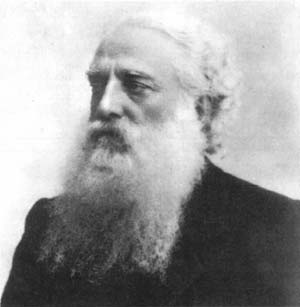
H. S. Olcott
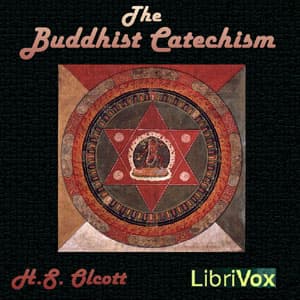
Henry Steel Olcott was an American military officer, journalist, and co-founder of the Theosophical Society, which sought to promote a synthesis of science, religion, and philosophy. Born in 1832, Olcott became deeply interested in Eastern religions, particularly Buddhism, after his exposure to various spiritual traditions during his travels. His commitment to the study and promotion of Buddhism culminated in his influential work, the 'Buddhist Catechism,' published in 1881. This text served as an introduction to Buddhist teachings and played a significant role in the revival of Buddhism in the West, providing accessible explanations of core concepts and practices for a Western audience. Olcott's legacy is marked by his efforts to bridge Eastern and Western thought, advocating for the understanding and appreciation of Buddhism at a time when it was largely misunderstood in the West. His work not only contributed to the spread of Buddhist philosophy but also helped establish the Theosophical Society as a prominent organization in the spiritual landscape of the late 19th and early 20th centuries. Through his writings and lectures, Olcott left an indelible mark on the perception of Buddhism in the West, influencing both scholars and practitioners alike.
Audiobooks from the author

Link to this page
Add a free, dofollow link to Lex on your blog, forum, syllabus, or reading list.

<a href="https://lex-books.com/author/h-s-olcott"><img src="https://lex-books.com/badges/read-on-lex.svg" alt="H. S. Olcott on Lex" width="160" height="40"></a>[](https://lex-books.com/author/h-s-olcott)[url=https://lex-books.com/author/h-s-olcott][img]https://lex-books.com/badges/read-on-lex.svg[/img][/url]H. S. Olcott on Lex: https://lex-books.com/author/h-s-olcott