
Géza Gárdonyi
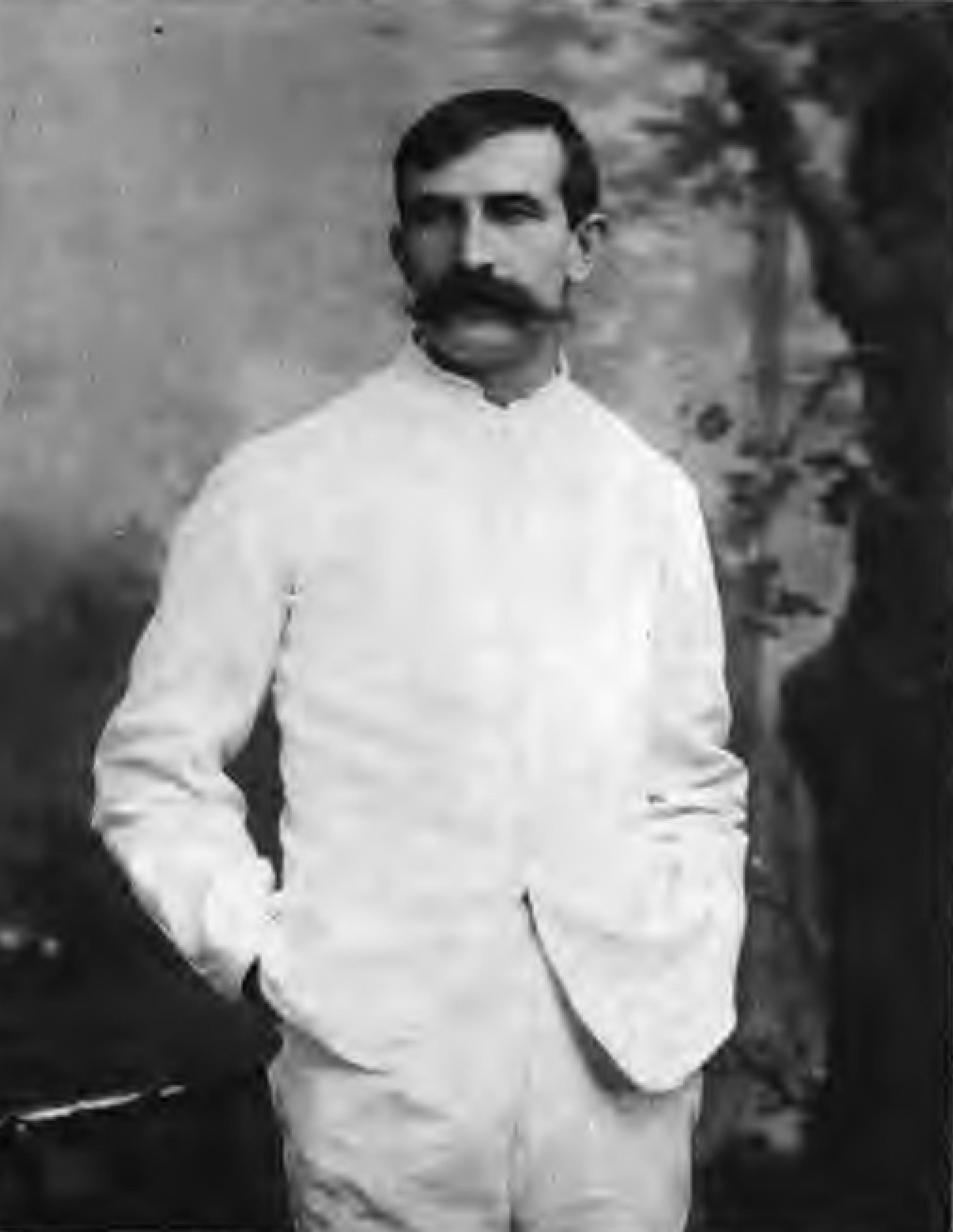
Géza Gárdonyi was a Hungarian novelist and playwright, best known for his historical novels that vividly depicted Hungary's past. Born in the small town of Eger, Gárdonyi's early life was marked by a love for literature and a deep appreciation for his country's history. His most celebrated work, 'Eclipse of the Crescent Moon' (1901), is set during the Ottoman siege of Eger and showcases his ability to blend historical fact with rich storytelling. The novel not only became a cornerstone of Hungarian literature but also inspired adaptations in various forms, including film and theater. Gárdonyi's literary significance lies in his exploration of national identity and the human spirit in the face of adversity. His works often reflect themes of heroism, sacrifice, and the struggles of ordinary people against oppressive forces. In addition to 'Eclipse of the Crescent Moon,' he wrote several other notable works, including 'The Book of the Hungarian Language' and 'The Adventures of a Little Boy.' Gárdonyi's legacy endures in Hungary, where he is celebrated as a key figure in the country's literary canon, influencing generations of writers and readers with his passionate portrayals of Hungarian history and culture.
Famous Quotes
View all 5 quotes“Az embernek csak az arca ismerhető, de az arca nem ő. Ő az arca mögött van. Láthatatlan.””
“A szavaknak más értelme kelt az ő ajkán. Ha ő azt mondta: gyász, akkor elsötétült minden a hallgatók szeme előtt. Ha azt mondta: harc, látták az öldöklő dulakodást. Ha azt mondta: Isten, a fején érezte mindenki az Isten fényességét.””
Books from the author








Link to this page
Add a free, dofollow link to Lex on your blog, forum, syllabus, or reading list.

<a href="https://lex-books.com/author/géza-gárdonyi"><img src="https://lex-books.com/badges/read-on-lex.svg" alt="Géza Gárdonyi on Lex" width="160" height="40"></a>[](https://lex-books.com/author/géza-gárdonyi)[url=https://lex-books.com/author/géza-gárdonyi][img]https://lex-books.com/badges/read-on-lex.svg[/img][/url]Géza Gárdonyi on Lex: https://lex-books.com/author/géza-gárdonyi