
Gregory of Nazianzus
Gregory of Nazianzus was a prominent theologian and one of the Cappadocian Fathers, whose contributions to early Christian thought were pivotal during the 4th century. Born in what is now Turkey, he was educated in classical rhetoric and philosophy, which he later integrated into his theological writings. Gregory became known for his eloquent sermons and his role in the development of the doctrine of the Trinity, particularly through his defense of the divinity of the Holy Spirit. His theological treatises, such as 'On the Holy Spirit' and his five theological orations, addressed critical issues of his time, including the nature of Christ and the relationship between the Father, Son, and Holy Spirit. Gregory's influence extended beyond his lifetime, as he played a crucial role in the First Council of Constantinople in 381, which affirmed the Nicene Creed and helped shape the future of Christian orthodoxy. His writings not only contributed to the establishment of key theological concepts but also showcased his poetic and rhetorical skills, making him a significant figure in Christian literature. Revered as a saint in both Eastern and Western Christianity, Gregory of Nazianzus is remembered for his profound insights and his commitment to the faith, leaving a legacy that continues to resonate in theological discussions today.
Books from the author
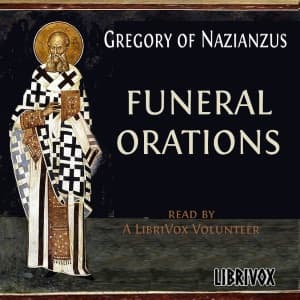
Link to this page
Add a free, dofollow link to Lex on your blog, forum, syllabus, or reading list.

<a href="https://lex-books.com/author/gregory-of-nazianzus"><img src="https://lex-books.com/badges/read-on-lex.svg" alt="Gregory of Nazianzus on Lex" width="160" height="40"></a>[](https://lex-books.com/author/gregory-of-nazianzus)[url=https://lex-books.com/author/gregory-of-nazianzus][img]https://lex-books.com/badges/read-on-lex.svg[/img][/url]Gregory of Nazianzus on Lex: https://lex-books.com/author/gregory-of-nazianzus