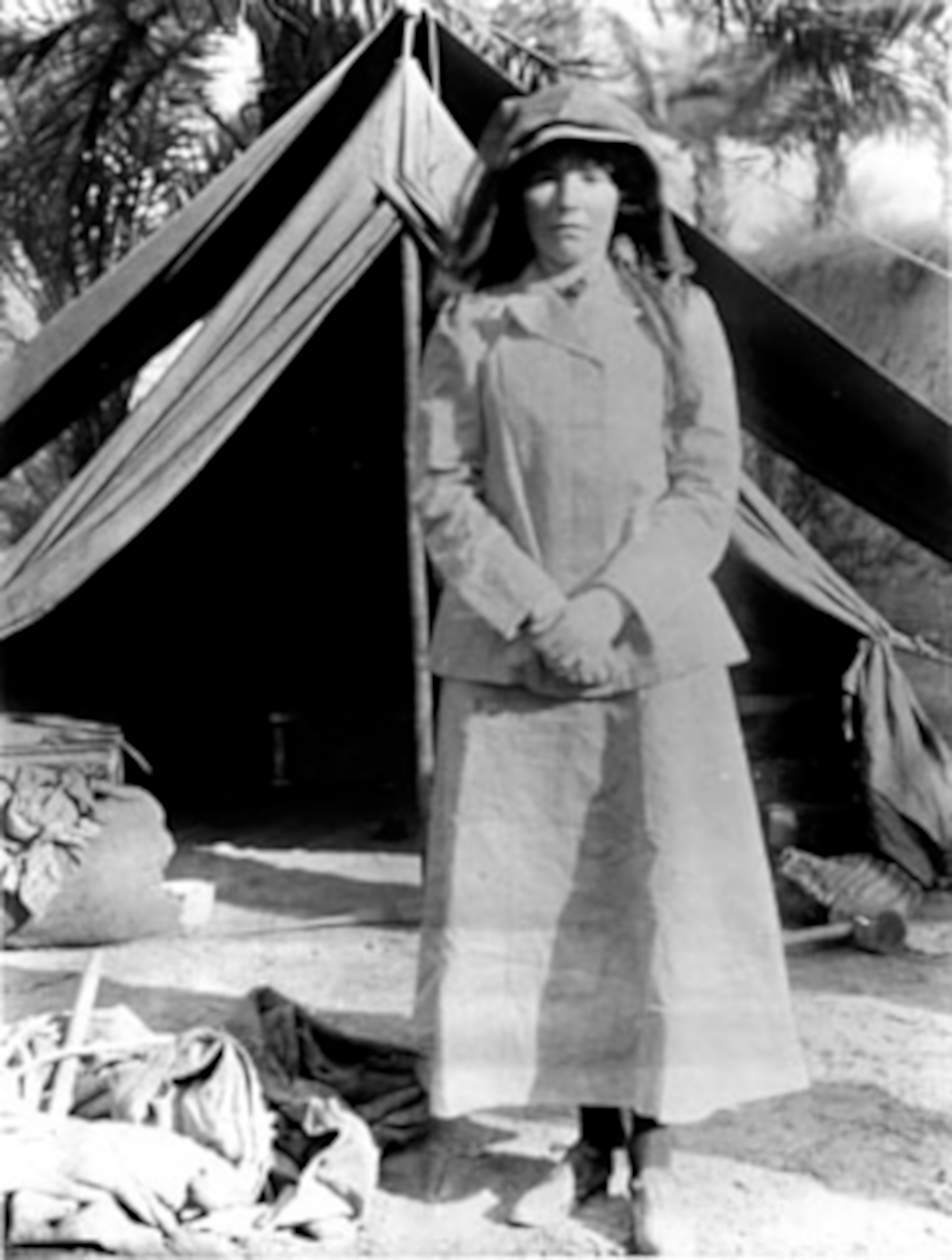
Gertrude Bell
Gertrude Bell was a British writer, traveler, and political officer whose extensive explorations of the Middle East in the early 20th century made her a significant figure in the history of British imperialism and Middle Eastern studies. Born into a wealthy family in England, she was educated at Oxford, where she developed a passion for archaeology and history. Bell's travels through the deserts of Arabia and her deep understanding of the region's cultures and languages positioned her as a key advisor to British officials during World War I and the subsequent formation of Iraq. Her firsthand accounts of her journeys are captured in works such as 'The Desert and the Sown' and 'Amurath to Amurath', which blend travel writing with insightful observations about the people and landscapes she encountered. Bell's legacy extends beyond her literary contributions; she played a crucial role in the establishment of modern Iraq, advocating for the inclusion of various ethnic and religious groups in the new state. Her influence was such that she became known as the 'Queen of the Desert' and was instrumental in the creation of the Iraqi National Museum. Despite her significant contributions, Bell's life and work were often overshadowed by her male contemporaries. Today, she is recognized not only for her adventurous spirit and literary prowess but also for her complex role in the geopolitics of the Middle East, making her a fascinating figure in both literature and history.




Link to this page
Add a free, dofollow link to Lex on your blog, forum, syllabus, or reading list.

<a href="https://lex-books.com/author/gertrude-bell"><img src="https://lex-books.com/badges/read-on-lex.svg" alt="Gertrude Bell on Lex" width="160" height="40"></a>[](https://lex-books.com/author/gertrude-bell)[url=https://lex-books.com/author/gertrude-bell][img]https://lex-books.com/badges/read-on-lex.svg[/img][/url]Gertrude Bell on Lex: https://lex-books.com/author/gertrude-bell