
George Washington Sears
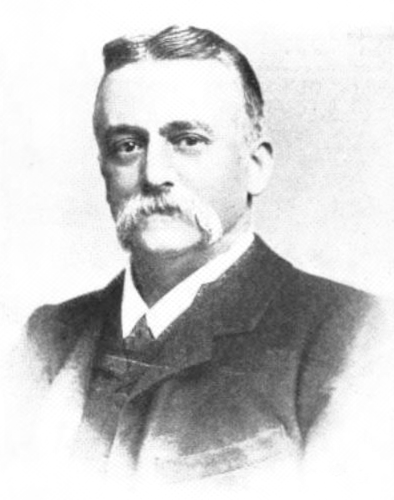
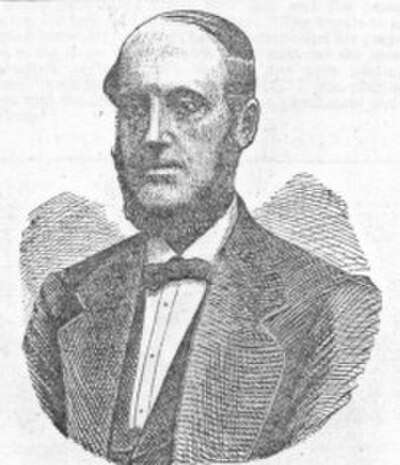
George Washington Sears, known by his pen name Nessmuk, was an influential American writer and early conservationist whose work significantly shaped outdoor recreation in the late 19th century. Born in Massachusetts, he grew up in a large family and developed a passion for nature and adventure from a young age, inspired by Native American stories and the writings of Charles Dickens. Sears's experiences as a commercial fisherman and whaler further fueled his love for the wilderness, leading him to explore various landscapes across North America and beyond. His most notable achievement was a remarkable 266-mile canoe journey through the Adirondacks at the age of 62, using a lightweight solo canoe he named the Sairy Gamp, which is now preserved at the Smithsonian Institution. Sears's writings for Forest and Stream magazine popularized the concept of self-guided canoe camping and ultralight backpacking, encouraging outdoor enthusiasts to embrace a more independent and minimalist approach to wilderness exploration. His advocacy for the Adirondack region and its natural beauty helped raise awareness about conservation long before it became a widespread movement. Through his engaging narratives and practical advice, Sears inspired countless individuals to appreciate and protect the natural world, leaving a lasting legacy in the realms of outdoor literature and environmentalism.
Famous Quotes
View all 3 quotes“For brick and mortar breed filth and crime, With a pulse of evil that throbs and beats; And men are whithered before their prime By the curse paved in with the lanes and streets. And lungs are poisoned and shoulders bowed, In the smothering reek of mill and mine; And death stalks in on the struggling crowd— But he shuns the shadow of the oak and pine”
“When the mountain streams are frozen and the Nor'land winds are out; when the winter winds are drifting the bitter sleet and snow; when winter rains are making out-of-door life unendurable; when season, weather and law combine to make it "close time" for beast, bird and man, it is well that a few congenial spirits should, at some favorite trysting place, gather around the glowing stove and exchange yarns, opinions and experiences.”
“Progress? Of course, this is progress; but, whether backward or forward, had better be decided sixty years hence. And, just what has happened to the obscure valley of Marsh Creek, is happening today, on a larger scale, all over the land. It is the same old story of grab and greed. Let us go on the "make" today, and "whack up" tomorrow; cheating each other as villainously as we may, and posterity be d—d. "What's all the w-u-u-rld to a man when his wife is a widdy?" This is the moral: From Maine to Montana; from the Adirondacks to Alaska; from the Yosemite to the Yellowstone, the trout-hog, the deer-wolf, the netter, the skin-hunter, each and all have it their own way; and the law is a farce—only to be enforced where the game has vanished forever.”
Books from the author




Link to this page
Add a free, dofollow link to Lex on your blog, forum, syllabus, or reading list.

<a href="https://lex-books.com/author/george-washington-sears"><img src="https://lex-books.com/badges/read-on-lex.svg" alt="George Washington Sears on Lex" width="160" height="40"></a>[](https://lex-books.com/author/george-washington-sears)[url=https://lex-books.com/author/george-washington-sears][img]https://lex-books.com/badges/read-on-lex.svg[/img][/url]George Washington Sears on Lex: https://lex-books.com/author/george-washington-sears