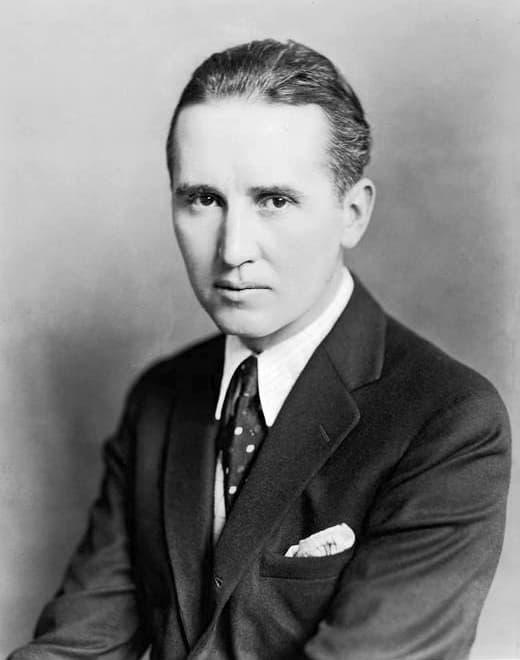
George Kelly
George Kelly was an American playwright and screenwriter known for his sharp wit and keen observations of human relationships. Born in 1887, he emerged as a significant figure in the American theater scene during the early 20th century. His most notable works include the Pulitzer Prize-winning play 'Craig's Wife,' which premiered in 1925 and explored themes of marriage and individuality through the lens of a strong-willed woman. Kelly's writing often delved into the complexities of social interactions and the nuances of character, making him a precursor to later American dramatists who would similarly examine the human condition. In addition to 'Craig's Wife,' Kelly wrote several other plays, such as 'The Show-Off' and 'The Torch-Bearers,' which showcased his ability to blend humor with social commentary. His work was characterized by a distinctive style that combined realism with a touch of farce, allowing audiences to both laugh and reflect on the absurdities of life. Kelly's influence extended beyond the stage, as he also contributed to film, adapting his plays for the screen and writing original screenplays. His legacy endures in the realm of American theater, where his insightful exploration of character and society continues to resonate with audiences and playwrights alike.
Audiobooks from the author


Link to this page
Add a free, dofollow link to Lex on your blog, forum, syllabus, or reading list.

<a href="https://lex-books.com/author/george-kelly"><img src="https://lex-books.com/badges/read-on-lex.svg" alt="George Kelly on Lex" width="160" height="40"></a>[](https://lex-books.com/author/george-kelly)[url=https://lex-books.com/author/george-kelly][img]https://lex-books.com/badges/read-on-lex.svg[/img][/url]George Kelly on Lex: https://lex-books.com/author/george-kelly