George Barton
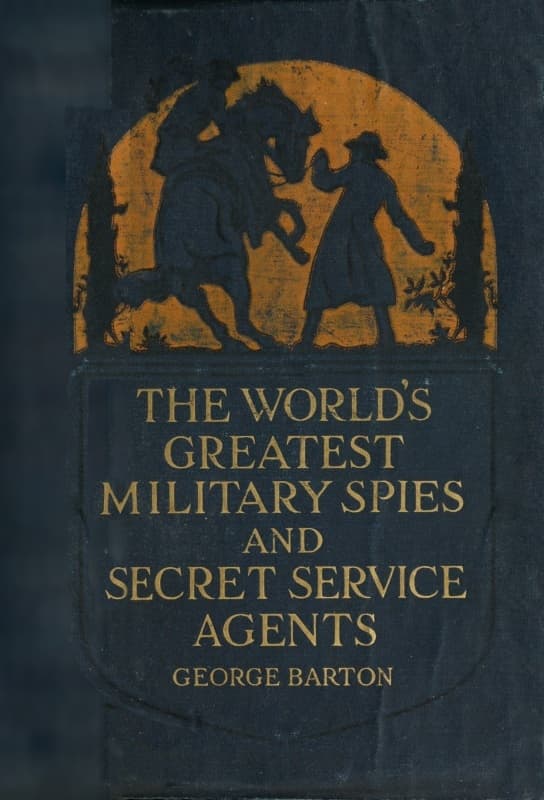
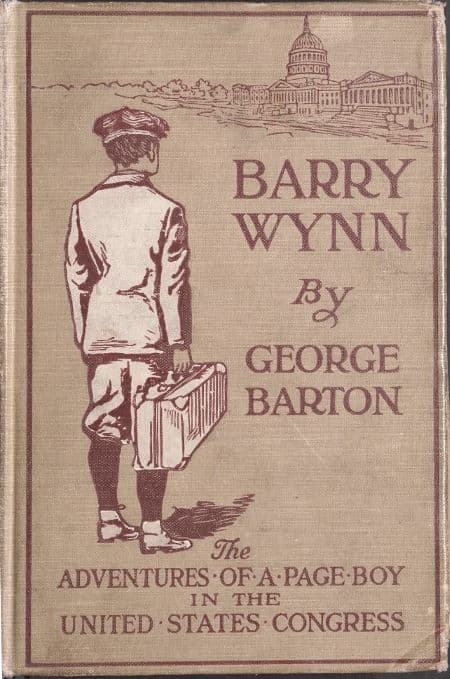
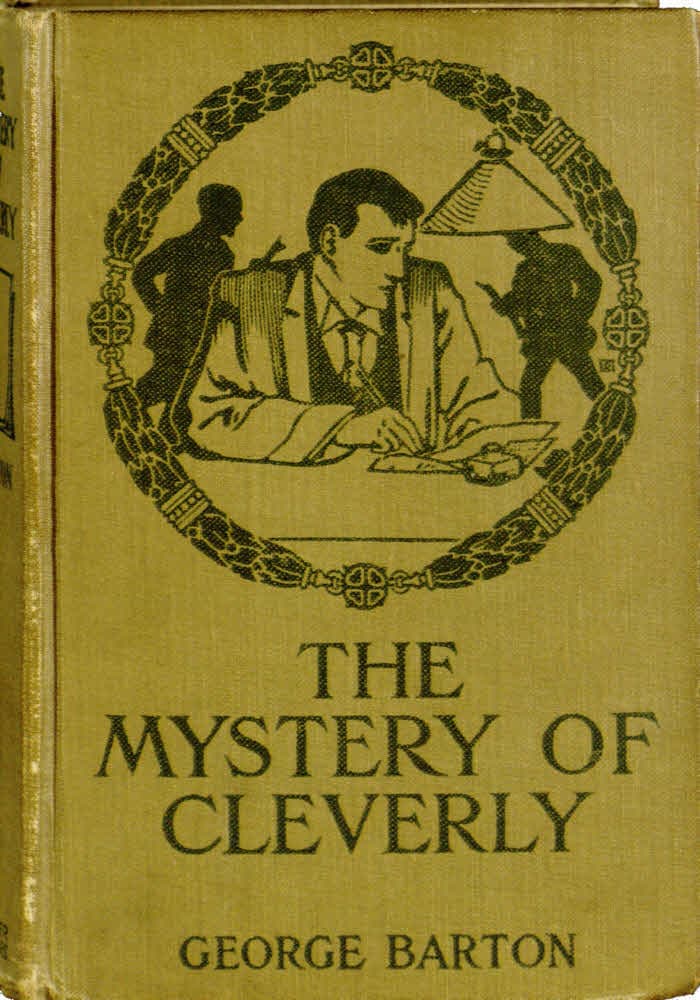
George Barton was an American author and historian known for his diverse contributions to literature, particularly in the genres of historical narrative and juvenile fiction. His most notable work, "Angels of the Battlefield: A History of the Labors of the Catholic Sisterhoods in the Late Civil War," highlights the crucial role that Catholic sisterhoods played during the American Civil War, showcasing their dedication and humanitarian efforts in a time of great turmoil. This work not only serves as a historical account but also emphasizes the often-overlooked contributions of women in wartime, marking Barton as a significant voice in Civil War literature. In addition to his historical writings, Barton authored several adventure stories aimed at younger audiences, such as "Barry Wynn; Or, The Adventures of a Page Boy in the United States Congress" and "The Mystery of Cleverly: A Story for Boys." These works reflect his ability to engage young readers with themes of adventure and moral lessons, while also providing insights into American political life. His other notable titles, including "The World's Greatest Military Spies and Secret Service Agents" and "True Stories of Celebrated Crimes," further illustrate his fascination with intrigue and the complexities of human behavior. Through his varied body of work, Barton contributed to both historical scholarship and children's literature, leaving a legacy that continues to be explored by readers interested in these genres.
Famous Quotes
View all 8 quotes“We are poorplants buoyed up by the air-vessels of our own conceit: alas for us, ifwe get a few pinches that empty us of that windy self-subsistence! Thevery capacity for good would go out of us. For, tell the most impassionedorator, suddenly, that his wig is awry, or his shirt-lap hanging out, andthat he is tickling people by the oddity of his person, instead ofthrilling them by the energy of his periods, and you would infallibly dryup the spring of his eloquence. That is a deep and wide saying, that nomiracle can be wrought without faith--without the worker's faith inhimself, as well as the recipient's faith in him. And the greater part ofthe worker's faith in himself is made up of the faith that others believein him.m””
“It’s interesting that many of the best instructors in early America were Scottish Presbyterians. As historian George Marsden affirmed, “[I]t is not much of an exaggeration to say that outside of New England, the Scots were the educators of eighteenth-century America.”7 These Scottish instructors regularly tutored students in what was known as the Scottish Common Sense educational philosophy –””
“No todos podemos hacer conquistas cuando nuestra fealdad ha pasado su mejor momento.””
Books from the author






Link to this page
Add a free, dofollow link to Lex on your blog, forum, syllabus, or reading list.

<a href="https://lex-books.com/author/george-barton"><img src="https://lex-books.com/badges/read-on-lex.svg" alt="George Barton on Lex" width="160" height="40"></a>[](https://lex-books.com/author/george-barton)[url=https://lex-books.com/author/george-barton][img]https://lex-books.com/badges/read-on-lex.svg[/img][/url]George Barton on Lex: https://lex-books.com/author/george-barton