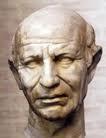
Gaius (Sallust) Sallustius Crispus
Gaius Sallustius Crispus, commonly known as Sallust, was a Roman historian and politician whose works provide a critical perspective on the late Roman Republic. Born into a wealthy family, Sallust began his career as a politician, serving as a tribune and later as a praetor. However, his political ambitions were marred by controversy, leading him to retire from public life and focus on writing. His most notable works include 'The Conspiracy of Catiline' and 'The Jugurthine War,' both of which explore themes of corruption, moral decay, and the complexities of power in Roman society. Sallust's historical writings are significant for their vivid narrative style and sharp analysis of political events, marking a departure from the more traditional annalistic history of his predecessors. He is often credited with introducing a more rhetorical approach to historical writing, emphasizing the moral lessons that could be drawn from the past. His works not only influenced later historians but also provided a lens through which to understand the tumultuous period of the late Republic, making him a pivotal figure in the development of Roman historiography. Sallust's legacy endures as a critical voice that captured the ethical dilemmas and societal challenges of his time.
Audiobooks from the author


Link to this page
Add a free, dofollow link to Lex on your blog, forum, syllabus, or reading list.

<a href="https://lex-books.com/author/gaius-sallust-sallustius-crispus"><img src="https://lex-books.com/badges/read-on-lex.svg" alt="Gaius (Sallust) Sallustius Crispus on Lex" width="160" height="40"></a>[](https://lex-books.com/author/gaius-sallust-sallustius-crispus)[url=https://lex-books.com/author/gaius-sallust-sallustius-crispus][img]https://lex-books.com/badges/read-on-lex.svg[/img][/url]Gaius (Sallust) Sallustius Crispus on Lex: https://lex-books.com/author/gaius-sallust-sallustius-crispus