
Friedrich de la Motte Fouqué
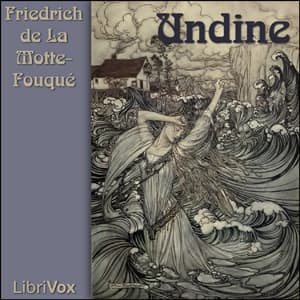
Friedrich de la Motte Fouqué was a German writer and poet, celebrated for his contributions to the early Romantic movement in literature. Born in the late 18th century, he became known for his enchanting tales that often blended elements of folklore, fantasy, and the supernatural. His most famous work, 'Undine,' tells the story of a water nymph who longs for a soul and the love of a human man, exploring themes of love, sacrifice, and the nature of humanity. This novella not only established Fouqué as a significant figure in Romantic literature but also influenced later writers and artists, inspiring adaptations across various media. In addition to 'Undine,' Fouqué's 'Sintram and His Companions' further showcases his ability to weave intricate narratives filled with moral and philosophical undertones. The story follows a young knight's journey of self-discovery and redemption, set against a backdrop of medieval chivalry and mystical elements. Through his lyrical prose and imaginative storytelling, Fouqué played a crucial role in shaping the German Romantic tradition, emphasizing the emotional and spiritual dimensions of human experience. His legacy endures, as his works continue to be appreciated for their lyrical beauty and depth, marking him as a pivotal figure in the evolution of European literature.
Books from the author

Link to this page
Add a free, dofollow link to Lex on your blog, forum, syllabus, or reading list.

<a href="https://lex-books.com/author/friedrich-de-la-motte-fouqu"><img src="https://lex-books.com/badges/read-on-lex.svg" alt="Friedrich de la Motte Fouqué on Lex" width="160" height="40"></a>[](https://lex-books.com/author/friedrich-de-la-motte-fouqu)[url=https://lex-books.com/author/friedrich-de-la-motte-fouqu][img]https://lex-books.com/badges/read-on-lex.svg[/img][/url]Friedrich de la Motte Fouqué on Lex: https://lex-books.com/author/friedrich-de-la-motte-fouqu