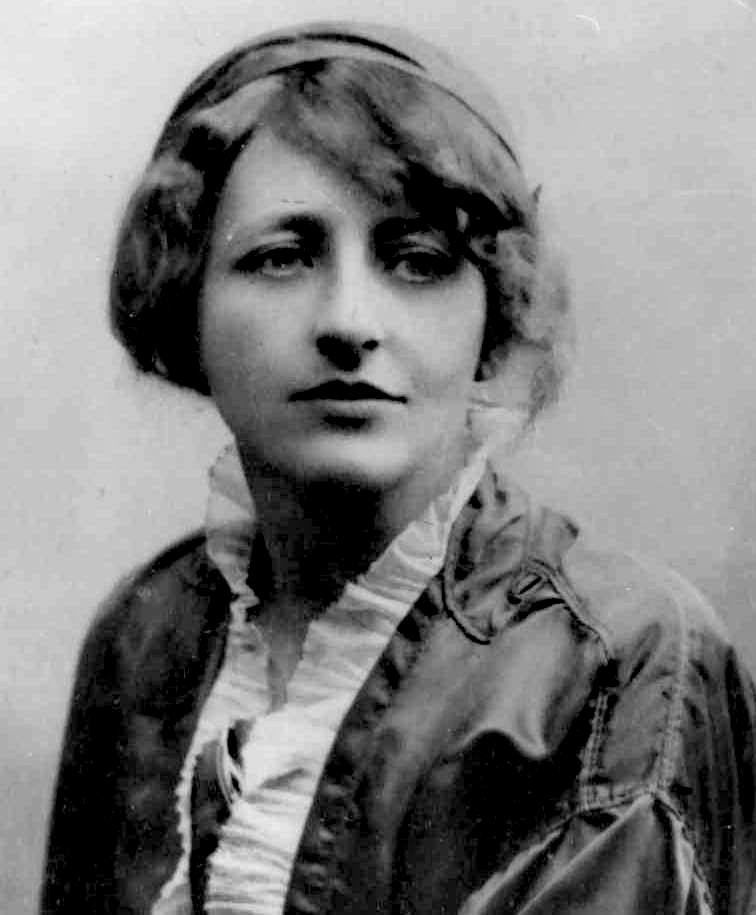
Franziska zu Reventlow
Franziska zu Reventlow was a German writer and painter, known for her avant-garde contributions to literature in the early 20th century. Born into the German nobility, she rejected the constraints of her aristocratic upbringing and became a prominent figure in the bohemian circles of Berlin. Her works often explored themes of female identity, sexuality, and the complexities of modern life, reflecting her own struggles against societal norms. Among her notable works are the novel 'Das Bildnis der A. (The Portrait of A.)' and her autobiographical writings, which provide insight into her unconventional lifestyle and artistic pursuits. Reventlow's literary significance lies in her role as a pioneering voice for women in literature, challenging traditional gender roles and expectations. Her candid exploration of sexuality and personal freedom was ahead of its time, making her a precursor to later feminist literature. Despite her relatively limited recognition during her lifetime, her work has gained renewed interest in contemporary literary studies, highlighting her influence on both feminist thought and modernist literature. Reventlow's legacy endures as a testament to the power of individual expression and the importance of challenging societal conventions.
Books from the author

Link to this page
Add a free, dofollow link to Lex on your blog, forum, syllabus, or reading list.

<a href="https://lex-books.com/author/franziska-zu-reventlow"><img src="https://lex-books.com/badges/read-on-lex.svg" alt="Franziska zu Reventlow on Lex" width="160" height="40"></a>[](https://lex-books.com/author/franziska-zu-reventlow)[url=https://lex-books.com/author/franziska-zu-reventlow][img]https://lex-books.com/badges/read-on-lex.svg[/img][/url]Franziska zu Reventlow on Lex: https://lex-books.com/author/franziska-zu-reventlow