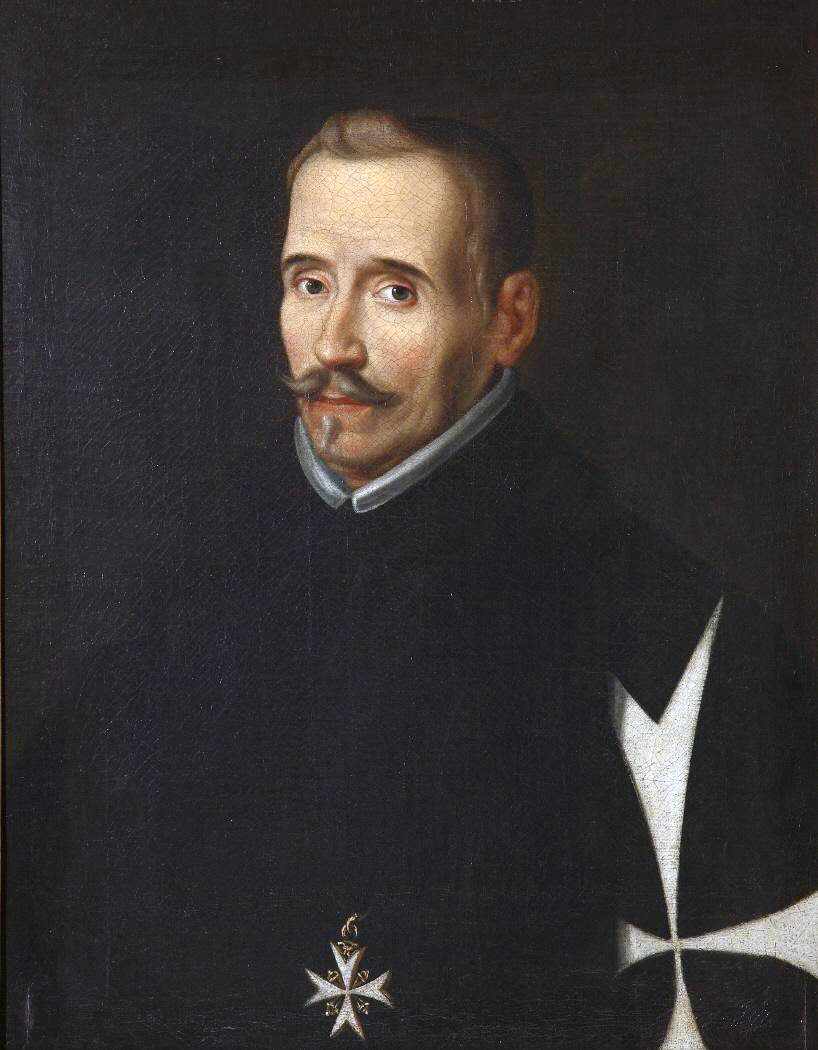
Félix Lope de Vega
Félix Lope de Vega was a prominent Spanish playwright and poet of the Golden Age, recognized as one of the most prolific and influential figures in Spanish literature. Born in Madrid, he began writing at a young age and quickly gained a reputation for his innovative approach to drama. Lope de Vega's works often explored themes of love, honor, and social issues, reflecting the complexities of human nature and the society of his time. His play 'Fuente Ovejuna' is particularly notable for its depiction of collective resistance against tyranny, while 'El perro del hortelano' showcases his mastery of comedic elements intertwined with romantic intrigue. Lope de Vega's contributions to the development of Spanish theater were revolutionary, as he established the 'comedia nueva' format, which blended various genres and broke away from the rigid structures of classical drama. His ability to create relatable characters and engaging plots set a new standard for playwrights and influenced generations of writers. With an estimated 1,800 plays to his name, along with numerous poems and novels, Lope de Vega's legacy endures, making him a central figure in the canon of Western literature and a key architect of the Spanish theatrical tradition.
Books from the author

Link to this page
Add a free, dofollow link to Lex on your blog, forum, syllabus, or reading list.

<a href="https://lex-books.com/author/flix-lope-de-vega"><img src="https://lex-books.com/badges/read-on-lex.svg" alt="Félix Lope de Vega on Lex" width="160" height="40"></a>[](https://lex-books.com/author/flix-lope-de-vega)[url=https://lex-books.com/author/flix-lope-de-vega][img]https://lex-books.com/badges/read-on-lex.svg[/img][/url]Félix Lope de Vega on Lex: https://lex-books.com/author/flix-lope-de-vega