
Eusebius of Caesarea
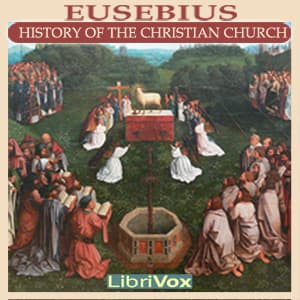
Eusebius of Caesarea was a prominent early Christian historian and theologian, often referred to as the 'Father of Church History.' Born in the early fourth century in Palestine, he became the bishop of Caesarea Maritima and played a crucial role in the development of early Christian thought. His most significant work, 'History of the Christian Church,' provides a comprehensive account of the early Christian community from the time of Christ to his own era, detailing the lives of key figures, the spread of Christianity, and the challenges faced by believers. Eusebius's meticulous approach to historical documentation set a precedent for future historians and established a framework for understanding the evolution of the Church. In addition to his historical writings, Eusebius was also known for his apologetic works, which defended Christianity against pagan critiques. His writings reflect the theological debates of his time and offer insights into the relationship between the Church and the Roman Empire. Eusebius's influence extended beyond his lifetime, as his historical accounts became foundational texts for later historians and theologians, shaping the narrative of early Christianity and its development. His legacy endures in the fields of ecclesiastical history and biblical scholarship, marking him as a pivotal figure in the history of Christian literature.
Books from the author
Link to this page
Add a free, dofollow link to Lex on your blog, forum, syllabus, or reading list.

<a href="https://lex-books.com/author/eusebius-of-caesarea"><img src="https://lex-books.com/badges/read-on-lex.svg" alt="Eusebius of Caesarea on Lex" width="160" height="40"></a>[](https://lex-books.com/author/eusebius-of-caesarea)[url=https://lex-books.com/author/eusebius-of-caesarea][img]https://lex-books.com/badges/read-on-lex.svg[/img][/url]Eusebius of Caesarea on Lex: https://lex-books.com/author/eusebius-of-caesarea