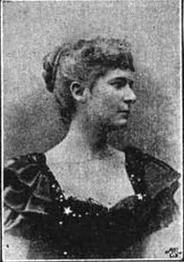
Ella Hepworth Dixon
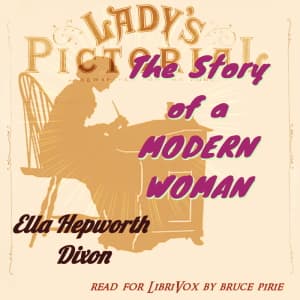
Ella Hepworth Dixon was a pioneering English novelist and journalist, known for her exploration of women's issues and social reform in the late 19th and early 20th centuries. Born in 1857, she began her career as a writer in the literary circles of London, contributing to various magazines and periodicals. Her most notable work, 'The Story of a Modern Woman' (1894), is often regarded as one of the first feminist novels, depicting the struggles of a young woman seeking independence and self-fulfillment in a patriarchal society. This novel, along with her other writings, challenged conventional gender roles and offered a candid look at the complexities of women's lives during her time. Dixon's literary significance extends beyond her fiction; she was also an influential figure in the suffrage movement, using her platform to advocate for women's rights. Her essays and articles often addressed social issues, including education and employment for women, making her a key voice in the discourse surrounding gender equality. Although her works fell into relative obscurity after her death in 1932, recent scholarship has revived interest in her contributions, highlighting her role as a forerunner of feminist literature and her impact on subsequent generations of writers. Ella Hepworth Dixon's legacy lies in her bold narrative style and her commitment to portraying the realities of women's experiences, making her a significant figure in the history of English literature.
Famous Quotes
View all 1 quotes“Mr. Mandell was a pessimist. That was what attracted me first, for at seventeen a girl is always impressed by any cynical man of the world who will notice her.””



Link to this page
Add a free, dofollow link to Lex on your blog, forum, syllabus, or reading list.

<a href="https://lex-books.com/author/ella-hepworth-dixon"><img src="https://lex-books.com/badges/read-on-lex.svg" alt="Ella Hepworth Dixon on Lex" width="160" height="40"></a>[](https://lex-books.com/author/ella-hepworth-dixon)[url=https://lex-books.com/author/ella-hepworth-dixon][img]https://lex-books.com/badges/read-on-lex.svg[/img][/url]Ella Hepworth Dixon on Lex: https://lex-books.com/author/ella-hepworth-dixon