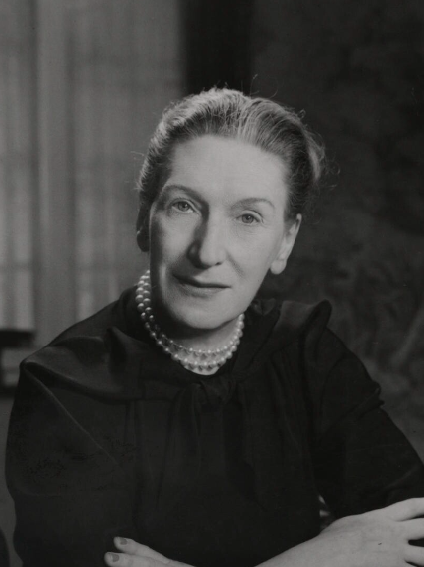
Elizabeth Bowen
Elizabeth Bowen was an Irish novelist and short story writer known for her keen psychological insight and exploration of the complexities of human relationships. Born in Dublin, she experienced the tumult of the early 20th century, which deeply influenced her writing. Bowen's works often reflect her experiences during the Irish War of Independence and the subsequent civil war, as well as her fascination with the intricacies of social class and gender. Her notable novels, such as 'The Last September' and 'The Heat of the Day,' delve into themes of love, loss, and the impact of historical events on personal lives, showcasing her ability to weave intricate narratives that resonate with emotional depth and nuance. Bowen's literary significance lies not only in her compelling storytelling but also in her unique narrative style, which often blends realism with a touch of the surreal. Her short stories, collected in volumes like 'The Collected Stories of Elizabeth Bowen,' reveal her mastery of the form, capturing fleeting moments and the subtleties of human experience. Throughout her career, Bowen received critical acclaim and was recognized for her contributions to literature, influencing subsequent generations of writers. Her legacy endures as a significant voice in 20th-century literature, celebrated for her exploration of identity, memory, and the complexities of the human condition.
Audiobooks from the author

Link to this page
Add a free, dofollow link to Lex on your blog, forum, syllabus, or reading list.

<a href="https://lex-books.com/author/elizabeth-bowen"><img src="https://lex-books.com/badges/read-on-lex.svg" alt="Elizabeth Bowen on Lex" width="160" height="40"></a>[](https://lex-books.com/author/elizabeth-bowen)[url=https://lex-books.com/author/elizabeth-bowen][img]https://lex-books.com/badges/read-on-lex.svg[/img][/url]Elizabeth Bowen on Lex: https://lex-books.com/author/elizabeth-bowen