Edmund Bert
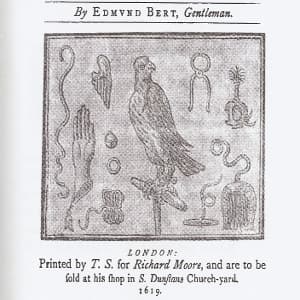
Edmund Bert was a notable figure in the realm of falconry during the late 16th century, primarily recognized for his significant contributions to the literature on hawking. His most acclaimed work, "Bert's Treatise of Hawkes and Hawking," serves as a comprehensive guide that not only details the practices of falconry but also reflects the cultural importance of this sport in Elizabethan England. In this treatise, Bert meticulously outlines the various species of hawks, their training, and the techniques required for successful hunting, making it an essential resource for both practitioners and enthusiasts of the time. Bert's work is significant not only for its practical insights but also for its role in the evolution of sporting literature. By combining detailed observations with a rich understanding of the relationship between humans and birds of prey, he helped to elevate the status of falconry from a mere pastime to a respected art form. His treatise remains a valuable historical document, offering a glimpse into the customs and practices of early modern England, and has influenced subsequent generations of falconers and writers alike, solidifying his legacy in the annals of sporting literature.
Audiobooks from the author

Link to this page
Add a free, dofollow link to Lex on your blog, forum, syllabus, or reading list.

<a href="https://lex-books.com/author/edmund-bert"><img src="https://lex-books.com/badges/read-on-lex.svg" alt="Edmund Bert on Lex" width="160" height="40"></a>[](https://lex-books.com/author/edmund-bert)[url=https://lex-books.com/author/edmund-bert][img]https://lex-books.com/badges/read-on-lex.svg[/img][/url]Edmund Bert on Lex: https://lex-books.com/author/edmund-bert