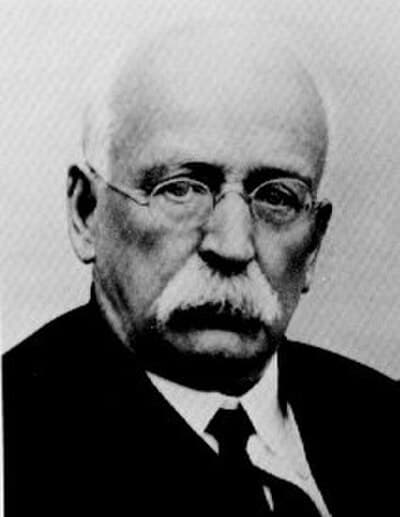
Ebenezer, Sir Howard
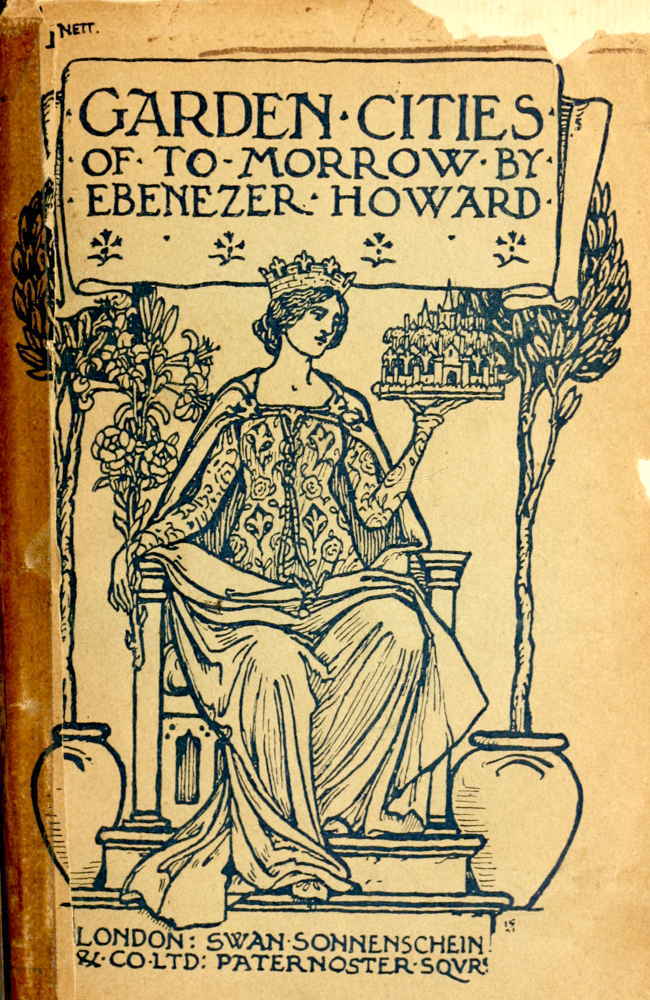
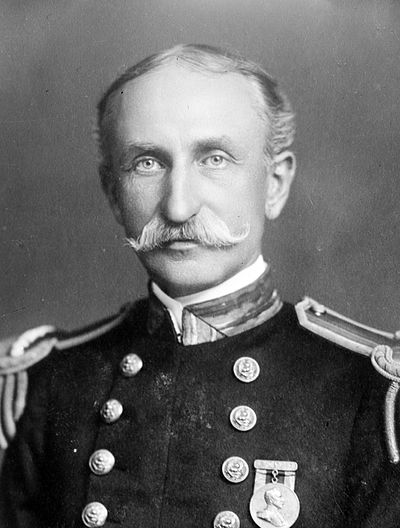
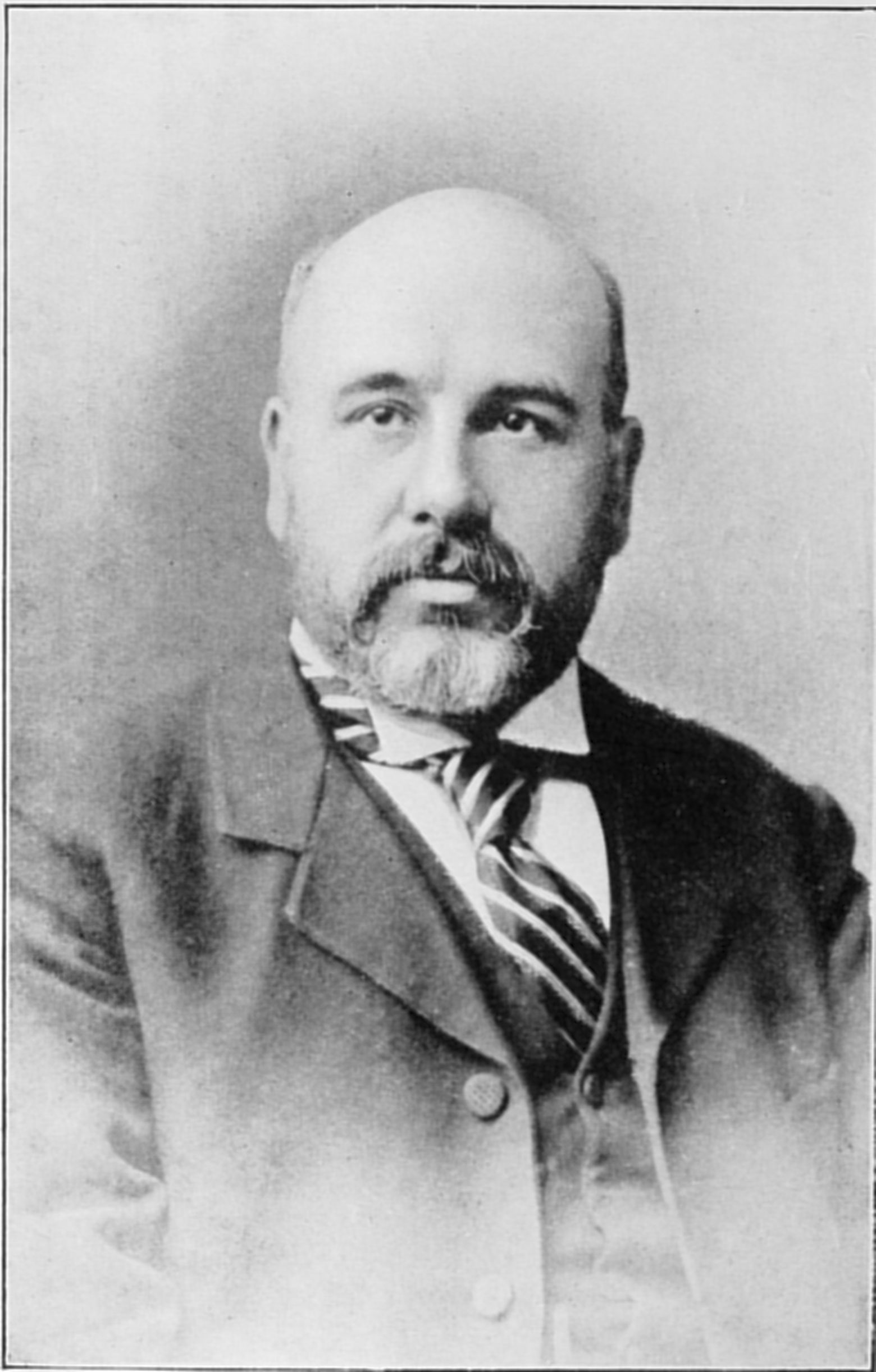
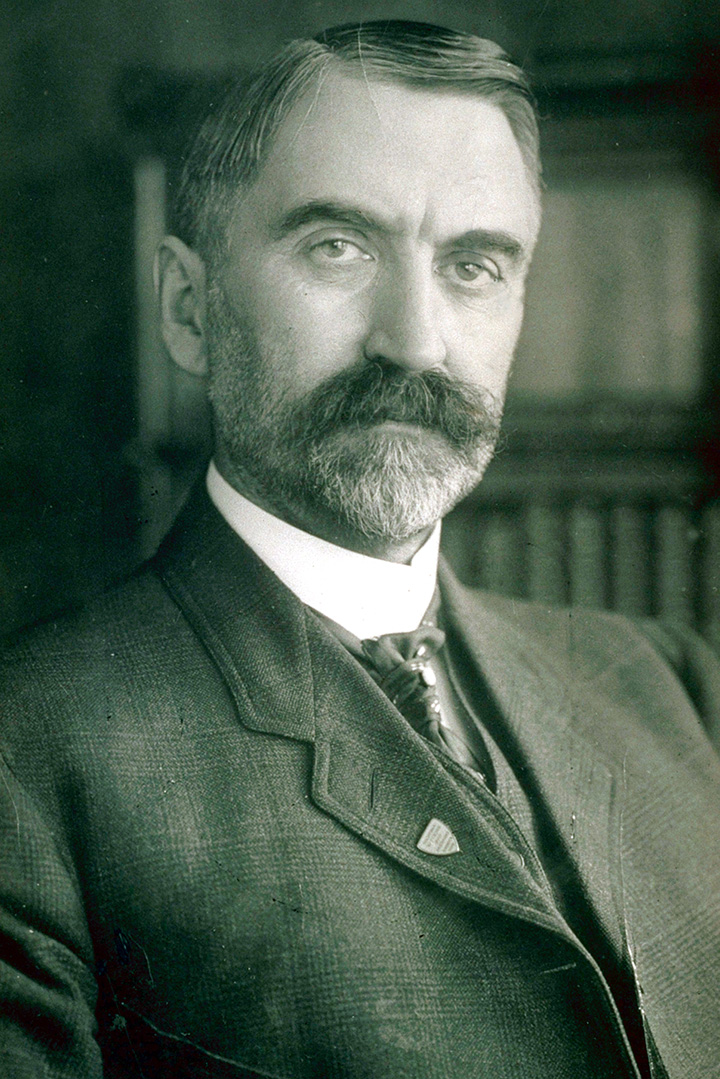
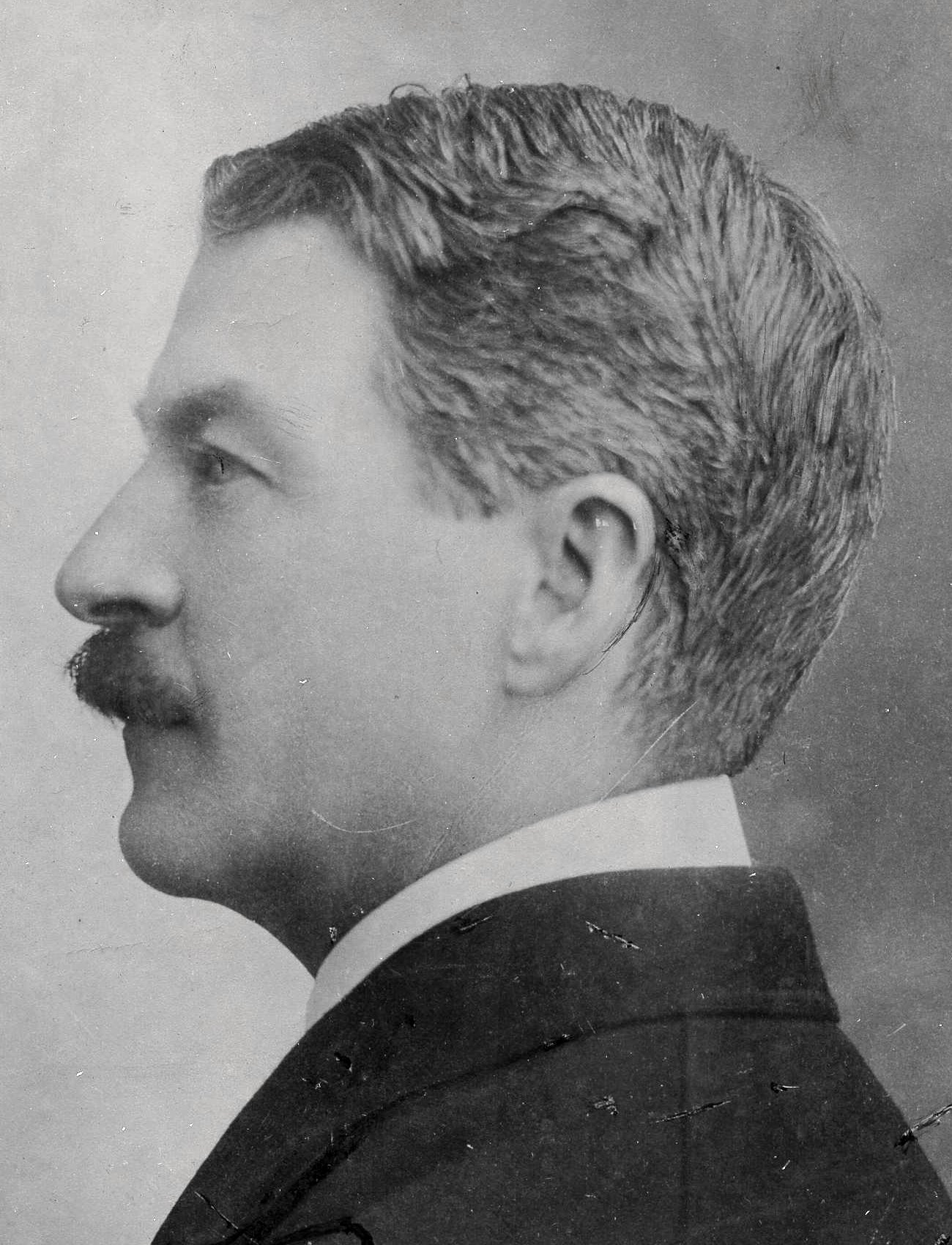
Sir Howard Ebenezer was a prominent British urban planner and social reformer, best known for his influential work on the concept of garden cities. His most notable publication, "Garden Cities of To-Morrow," published in 1902, presented a visionary blueprint for urban development that sought to combine the benefits of both town and country living. This work advocated for the creation of self-contained communities surrounded by greenbelts, aiming to alleviate the overcrowding and poor living conditions of industrial cities. Ebenezer's ideas were revolutionary for their time, emphasizing the importance of planning and design in fostering healthy and sustainable living environments. Ebenezer's contributions extended beyond theoretical frameworks; he played a crucial role in the establishment of several garden cities in the UK, which served as practical applications of his theories. His vision not only influenced urban planning in Britain but also inspired similar movements worldwide, making him a pivotal figure in the development of modern urban design. Through his advocacy for social reform and improved living conditions, Ebenezer left a lasting legacy that continues to resonate in contemporary discussions about urban sustainability and community planning.
Books from the author





Link to this page
Add a free, dofollow link to Lex on your blog, forum, syllabus, or reading list.

<a href="https://lex-books.com/author/ebenezer-sir-howard"><img src="https://lex-books.com/badges/read-on-lex.svg" alt="Ebenezer, Sir Howard on Lex" width="160" height="40"></a>[](https://lex-books.com/author/ebenezer-sir-howard)[url=https://lex-books.com/author/ebenezer-sir-howard][img]https://lex-books.com/badges/read-on-lex.svg[/img][/url]Ebenezer, Sir Howard on Lex: https://lex-books.com/author/ebenezer-sir-howard