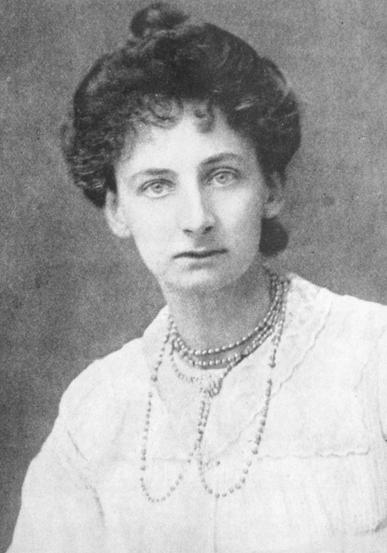
Constance Lytton
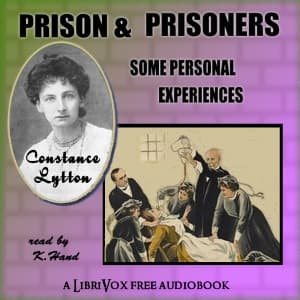
Constance Lytton was a prominent British suffragette and author, known for her fierce advocacy for women's rights and her contributions to the suffrage movement in the early 20th century. Born into an aristocratic family, she was educated at home and later became involved in social reform, particularly focusing on women's issues. Lytton's activism was marked by her willingness to endure imprisonment and hunger strikes, which she undertook to draw attention to the cause of women's suffrage. Her experiences in prison inspired her to write, leading to the publication of her notable works, including 'Prison and Prisoners' and 'The Woman's Hour.' These writings not only chronicled her personal experiences but also served as powerful commentaries on the injustices faced by women in society. Lytton's literary contributions extended beyond her own experiences; she was also a skilled novelist and playwright. Her works often reflected her commitment to social justice and her belief in the power of literature as a tool for change. Lytton's legacy is significant in both the literary and feminist spheres, as she used her platform to advocate for equality and challenge societal norms. Her efforts helped pave the way for future generations of women activists and writers, solidifying her place in the history of the suffrage movement and British literature.
Audiobooks from the author

Link to this page
Add a free, dofollow link to Lex on your blog, forum, syllabus, or reading list.

<a href="https://lex-books.com/author/constance-lytton"><img src="https://lex-books.com/badges/read-on-lex.svg" alt="Constance Lytton on Lex" width="160" height="40"></a>[](https://lex-books.com/author/constance-lytton)[url=https://lex-books.com/author/constance-lytton][img]https://lex-books.com/badges/read-on-lex.svg[/img][/url]Constance Lytton on Lex: https://lex-books.com/author/constance-lytton