
Charles Harold Herford
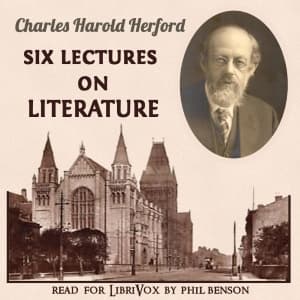
Charles Harold Herford was an influential English scholar and critic known for his contributions to literary studies in the late 19th and early 20th centuries. He served as a professor of English literature at the University of Manchester, where he shaped the academic landscape of literary criticism. Herford's notable works include 'Six Lectures on Literature,' which offered insights into the nature of literary art and the role of the critic, and 'Robert Browning,' a critical examination of the life and works of the Victorian poet. His analysis of Browning not only highlighted the poet's innovative style but also placed him within the broader context of English literature. In addition to his literary critiques, Herford's work 'In Darkest Africa' reflects his engagement with contemporary issues of exploration and colonialism. Through his writings, he explored the complexities of human experience and the intricacies of literary expression. Herford's legacy lies in his ability to bridge the gap between literary theory and practical criticism, influencing both his contemporaries and future generations of scholars. His scholarly approach and dedication to the field of literature have left a lasting impact on literary studies, making him a significant figure in the history of English literary criticism.
Books from the author

Link to this page
Add a free, dofollow link to Lex on your blog, forum, syllabus, or reading list.

<a href="https://lex-books.com/author/charles-harold-herford"><img src="https://lex-books.com/badges/read-on-lex.svg" alt="Charles Harold Herford on Lex" width="160" height="40"></a>[](https://lex-books.com/author/charles-harold-herford)[url=https://lex-books.com/author/charles-harold-herford][img]https://lex-books.com/badges/read-on-lex.svg[/img][/url]Charles Harold Herford on Lex: https://lex-books.com/author/charles-harold-herford