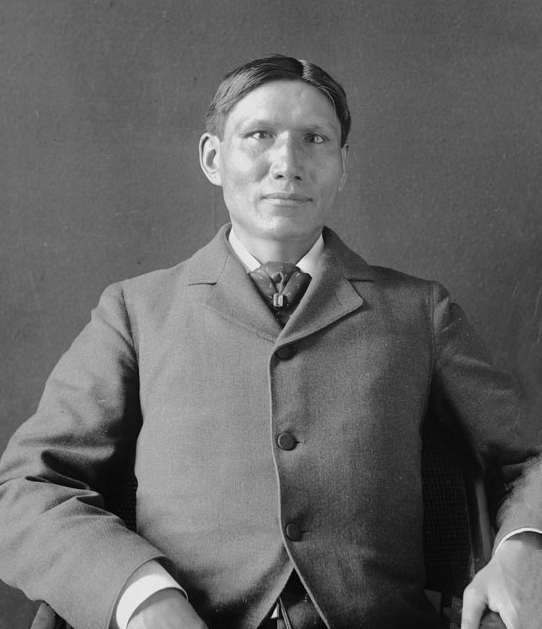
Charles Alexander Eastman
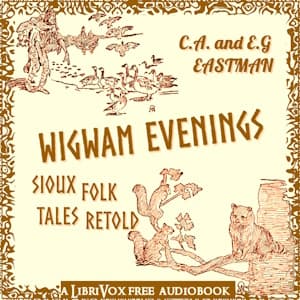
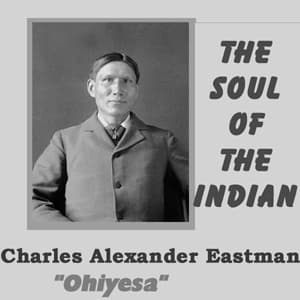
Charles Alexander Eastman was a prominent Native American author, physician, and reformer, known for his efforts to bridge the gap between Native American and Western cultures. Born into the Sioux tribe, Eastman was educated in both traditional Native American ways and Western institutions, earning a medical degree from Boston University. His unique perspective as a Native American who navigated both worlds informed much of his writing, which sought to illuminate the rich cultural heritage of his people while advocating for their rights and understanding in a rapidly changing America. Eastman's notable works include 'Wigwam Evenings: Sioux Folk Tales Retold,' where he shared traditional Sioux stories, and 'Soul of the Indian,' which explored the spiritual and philosophical aspects of Native American life. His autobiographical writings, such as 'From the Deep Woods to Civilization,' provided insight into his personal journey and the broader experiences of Native Americans during a time of significant upheaval. Through 'Indian Boyhood' and 'Indian Child Life,' Eastman offered a glimpse into the childhood experiences of Native Americans, emphasizing the importance of cultural identity and heritage. His writings not only contributed to the preservation of Native American folklore but also served as a critique of the assimilation policies imposed by the U.S. government, making him a significant figure in both literature and social reform. Eastman's legacy endures as he remains a vital voice in American literature, advocating for the rights and recognition of Native American people. His works continue to be studied for their cultural significance and their role in the ongoing dialogue about identity and heritage in America.
Books from the author





Link to this page
Add a free, dofollow link to Lex on your blog, forum, syllabus, or reading list.

<a href="https://lex-books.com/author/charles-alexander-eastman"><img src="https://lex-books.com/badges/read-on-lex.svg" alt="Charles Alexander Eastman on Lex" width="160" height="40"></a>[](https://lex-books.com/author/charles-alexander-eastman)[url=https://lex-books.com/author/charles-alexander-eastman][img]https://lex-books.com/badges/read-on-lex.svg[/img][/url]Charles Alexander Eastman on Lex: https://lex-books.com/author/charles-alexander-eastman