
C. E. Montague
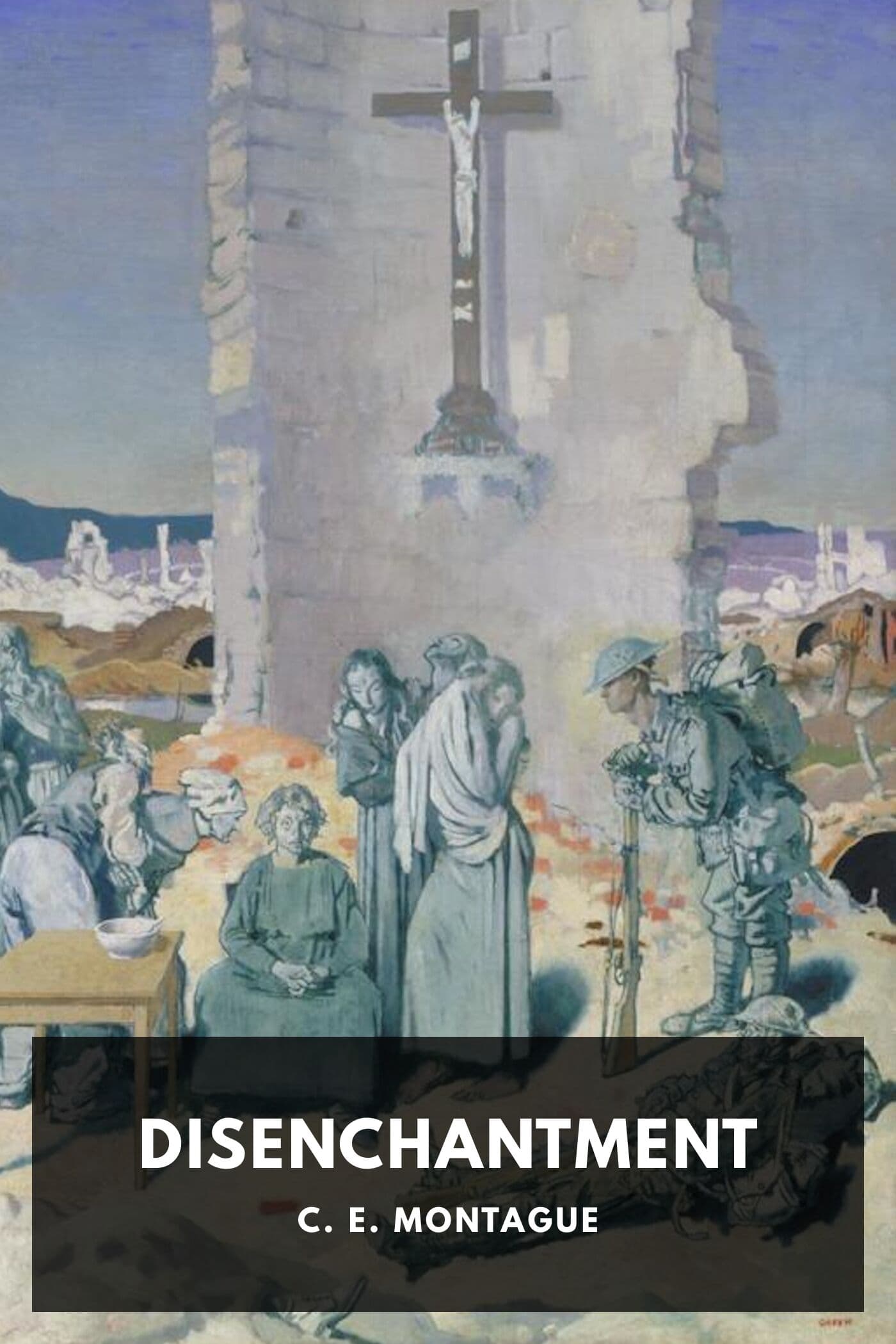
C. E. Montague was an English author and journalist known for his insightful essays and novels that often explored themes of war and human experience. Born in 1867, he served as a war correspondent during World War I, an experience that profoundly influenced his writing. His most notable works include 'Disenchantment' and 'The Right of Way,' which reflect his keen observations of society and the complexities of human nature. Montague's writing style combined vivid imagery with a deep understanding of psychological nuances, making his narratives both engaging and thought-provoking. Montague's literary significance lies in his ability to capture the disillusionment of his era, particularly in the aftermath of the Great War. His works often challenged prevailing social norms and offered a critical perspective on the impact of conflict on individuals and society. As a member of the literary community, he contributed to various periodicals and was known for his articulate critiques of contemporary issues. Montague's legacy endures through his contributions to literature and journalism, as he provided a voice for the disenchanted and a lens through which to view the tumultuous changes of the early 20th century.
Famous Quotes
View all 1 quotes“What I mean by reading is not skimming, not being able to say as the world saith, "Oh, yes, I've read that!," but reading again and again, in all sorts of moods, with an increase of delight every time, till the thing read has become a part of your system and goes forth along with you to meet any new experience you may have.””
Books from the author






Link to this page
Add a free, dofollow link to Lex on your blog, forum, syllabus, or reading list.

<a href="https://lex-books.com/author/c-e-montague-2"><img src="https://lex-books.com/badges/read-on-lex.svg" alt="C. E. Montague on Lex" width="160" height="40"></a>[](https://lex-books.com/author/c-e-montague-2)[url=https://lex-books.com/author/c-e-montague-2][img]https://lex-books.com/badges/read-on-lex.svg[/img][/url]C. E. Montague on Lex: https://lex-books.com/author/c-e-montague-2