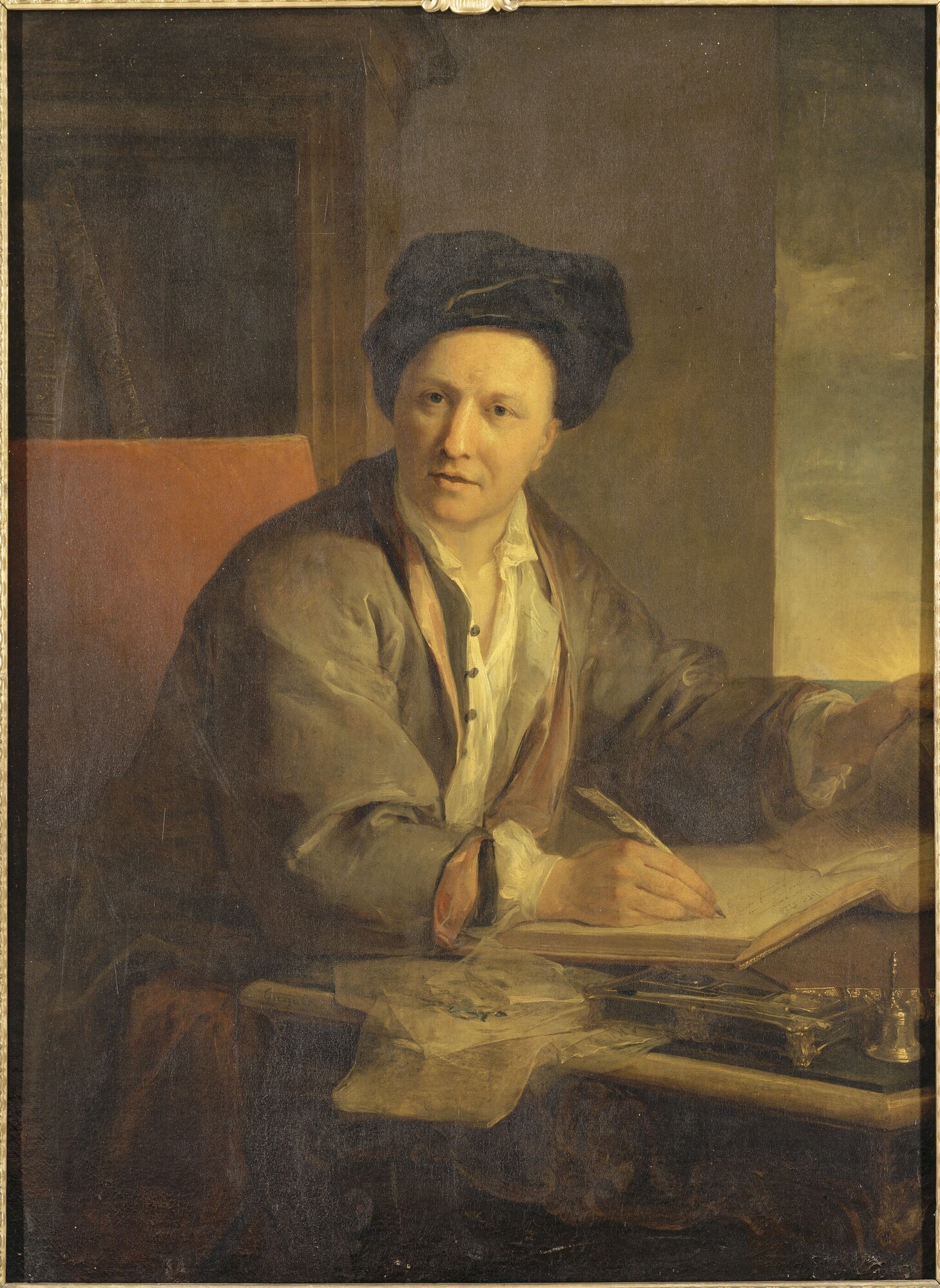
Bernard Le Bovier de Fontenelle
Bernard Le Bovier de Fontenelle was a French author and philosopher, renowned for his contributions to literature and science during the Enlightenment. Born into a family of minor nobility, he was educated in a Jesuit school, which laid the groundwork for his later intellectual pursuits. Fontenelle's most significant work, 'Conversations on the Plurality of Worlds,' published in 1686, popularized scientific ideas about the universe and promoted a rational understanding of nature. His engaging dialogue format made complex scientific concepts accessible to the general public, bridging the gap between science and literature. Fontenelle's influence extended beyond his writings; he played a pivotal role in the development of the French Academy and was a key figure in the promotion of the scientific method. His works often reflected a blend of skepticism and curiosity, challenging traditional beliefs and encouraging a more empirical approach to knowledge. Through his essays and dialogues, he laid the groundwork for later Enlightenment thinkers, making him a crucial figure in the evolution of modern scientific thought. His legacy endures in the way he harmonized literature and science, inspiring generations of writers and philosophers to explore the relationship between the two fields.
Famous Quotes
View all 6 quotes“What is history but a fable agreed upon?””
“Nature is never so admired as when she is understood.””
“But I've never yet heard anyone say that the Moon was inhabited," she replied, "except as a fantasy and a delusion.""This may be a fantasy too," I answered. "I don't take sides in these matters except as one does in civil wars, when the uncertainty of what might happen makes one maintain contacts on the opposite side and make arrangements even with the enemy. As for me, although I see the Moon as inhabited, I still live on good terms with those who don't believe it, and I keep myself in a position where I could shift to their opinion honorably if they gained the upper hand.””
Books from the author

Link to this page
Add a free, dofollow link to Lex on your blog, forum, syllabus, or reading list.

<a href="https://lex-books.com/author/bernard-le-bovier-de-fontenelle"><img src="https://lex-books.com/badges/read-on-lex.svg" alt="Bernard Le Bovier de Fontenelle on Lex" width="160" height="40"></a>[](https://lex-books.com/author/bernard-le-bovier-de-fontenelle)[url=https://lex-books.com/author/bernard-le-bovier-de-fontenelle][img]https://lex-books.com/badges/read-on-lex.svg[/img][/url]Bernard Le Bovier de Fontenelle on Lex: https://lex-books.com/author/bernard-le-bovier-de-fontenelle