
Anne Askew
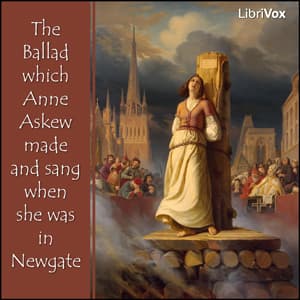
Anne Askew was a notable English poet and Protestant martyr of the 16th century, known for her fierce advocacy of religious reform during a tumultuous period in England's history. Born into a well-off family, she was educated and became one of the few women of her time to engage in theological debate. Askew's writings, particularly her ballad composed during her imprisonment in Newgate, reflect her strong convictions and her defiance against the Catholic Church's doctrines. This ballad not only serves as a testament to her faith but also highlights the struggles faced by those who challenged the religious status quo. Askew's legacy is significant as she became one of the first English women to write and publish religious poetry, making her an important figure in the history of women's literature. Her boldness in standing up for her beliefs, even in the face of persecution, has inspired generations. Executed for heresy in 1546, Askew's life and work continue to resonate as symbols of courage and conviction in the pursuit of religious freedom and women's rights in literature and society.
Audiobooks from the author

Link to this page
Add a free, dofollow link to Lex on your blog, forum, syllabus, or reading list.

<a href="https://lex-books.com/author/anne-askew"><img src="https://lex-books.com/badges/read-on-lex.svg" alt="Anne Askew on Lex" width="160" height="40"></a>[](https://lex-books.com/author/anne-askew)[url=https://lex-books.com/author/anne-askew][img]https://lex-books.com/badges/read-on-lex.svg[/img][/url]Anne Askew on Lex: https://lex-books.com/author/anne-askew