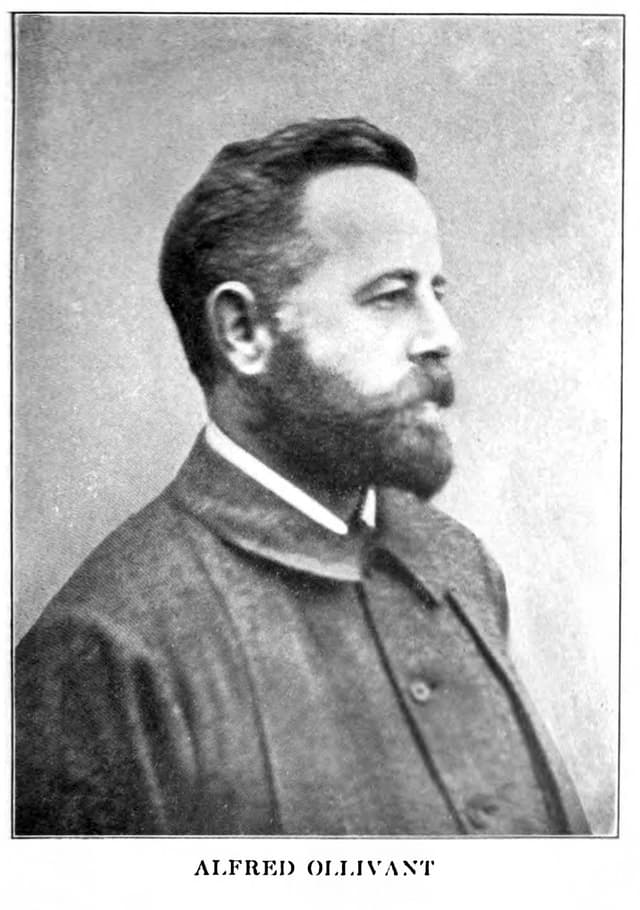
Alfred Ollivant
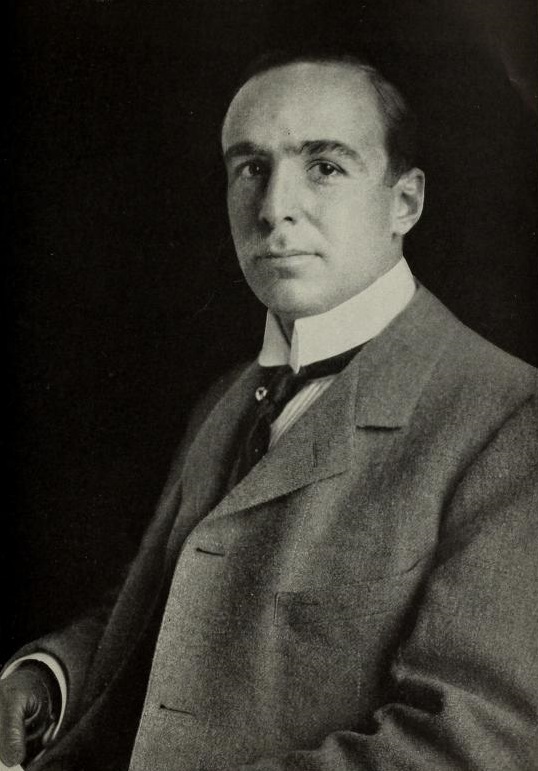
Alfred Ollivant was an English novelist and writer best known for his vivid depictions of rural life and the complexities of human relationships. Born in 1874, he spent much of his early life in the countryside, which greatly influenced his literary work. His most notable novel, "Bob, Son of Battle," published in 1898, is a poignant tale that explores the bond between a boy and his dog, set against the backdrop of the English countryside. This work not only showcases Ollivant's skill in creating memorable characters but also reflects the themes of loyalty and the struggles of rural existence during a time of social change. Ollivant's literary significance lies in his ability to capture the essence of life in the early 20th century, particularly in his portrayal of the working class and their challenges. His writing often highlighted the tension between tradition and modernity, making him a notable figure in the landscape of English literature. Although he may not be as widely recognized today, his contributions to the genre of rural fiction and his exploration of human emotions continue to resonate with readers interested in the intricacies of life in a bygone era. Ollivant passed away in 1927, leaving behind a legacy of heartfelt storytelling that remains appreciated by enthusiasts of classic literature.
Famous Quotes
View all 3 quotes“An old man – utterly alone – he had staked his all on a throw – and lost.”
“Wullie, Wullie, to me” he cried.”
“A few hours noo, Wullie,” the little man wailed, “and she’ll be gane. We won her, Wuklie, you and I, won her fair: she’s lit the house for us; she’s softened a’ for us – and God kens we needed; she was the ae thing we had to look to and love. And noo they’re takin’ her awa’, and ‘twill be night again. We’ve cherished her, we’ve garnished her, we’ve loved her like oor ain; and noo she maun gang to strangers who know her not.”
Books from the author
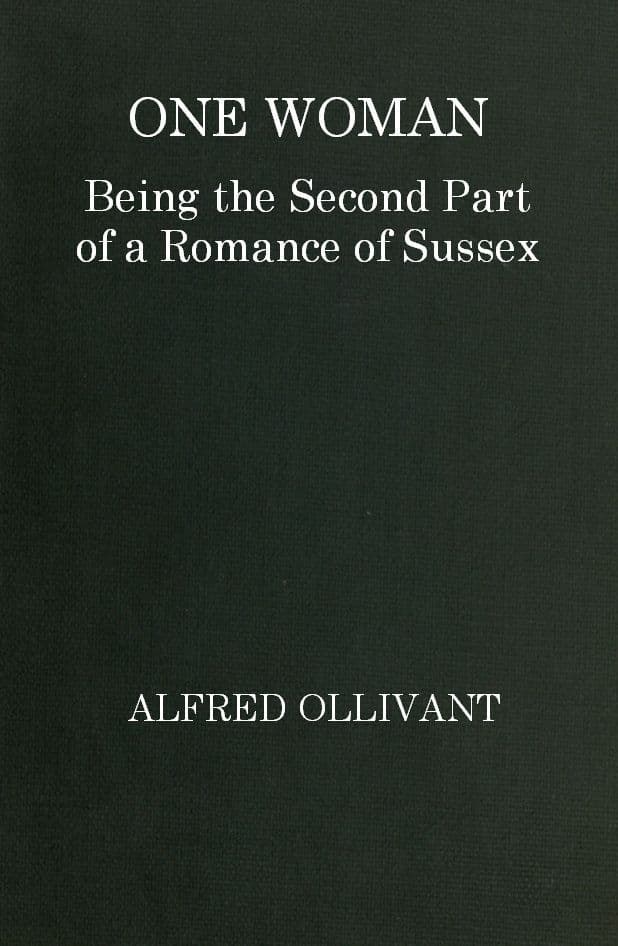
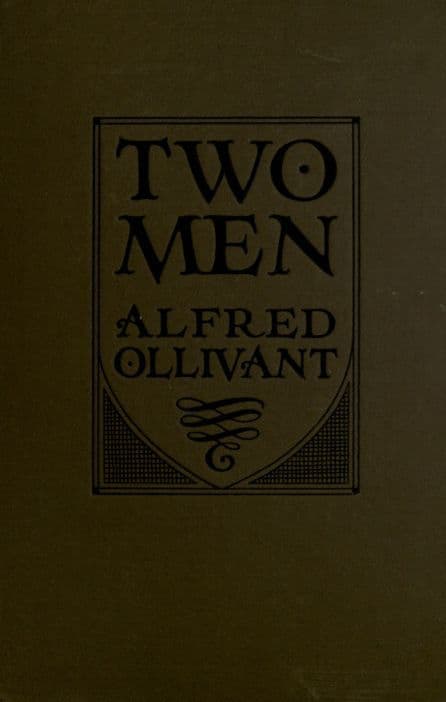
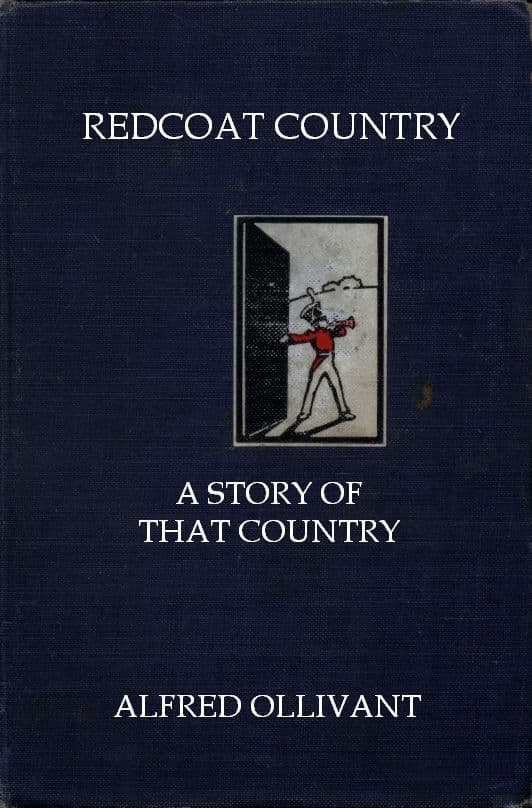

Link to this page
Add a free, dofollow link to Lex on your blog, forum, syllabus, or reading list.

<a href="https://lex-books.com/author/alfred-ollivant"><img src="https://lex-books.com/badges/read-on-lex.svg" alt="Alfred Ollivant on Lex" width="160" height="40"></a>[](https://lex-books.com/author/alfred-ollivant)[url=https://lex-books.com/author/alfred-ollivant][img]https://lex-books.com/badges/read-on-lex.svg[/img][/url]Alfred Ollivant on Lex: https://lex-books.com/author/alfred-ollivant