Alessandro Varaldo
Alessandro Varaldo was an influential Italian painter of the Renaissance, primarily active in Parma. His artistic career spanned a time when the region was a vibrant center for innovation in painting. Varaldo's work was characterized by the integration of influences from notable contemporaries and predecessors, including the school of Melozzo da Forlì and early Venetian Renaissance artists like Giovanni Bellini. His frescoes, particularly those created for the Benedictine monastery of San Paolo, showcased his ability to blend these diverse styles into a cohesive and expressive form. Among his notable works are the frescoes depicting the story of St. Catherine, which include the scenes of the Dispute before the Emperor Maximilian and St. Catherine and St. Jerome. These pieces, commissioned by the abbess Giovanna da Piacenza, reflect Varaldo's skill in narrative composition and his engagement with religious themes. While much of his life remains shrouded in mystery, Varaldo's contributions to Renaissance art are recognized for their stylistic richness and their role in the evolution of religious painting in Italy, paving the way for future artists like Antonio Allegri (Correggio) who would adopt and adapt his techniques in their own groundbreaking works.
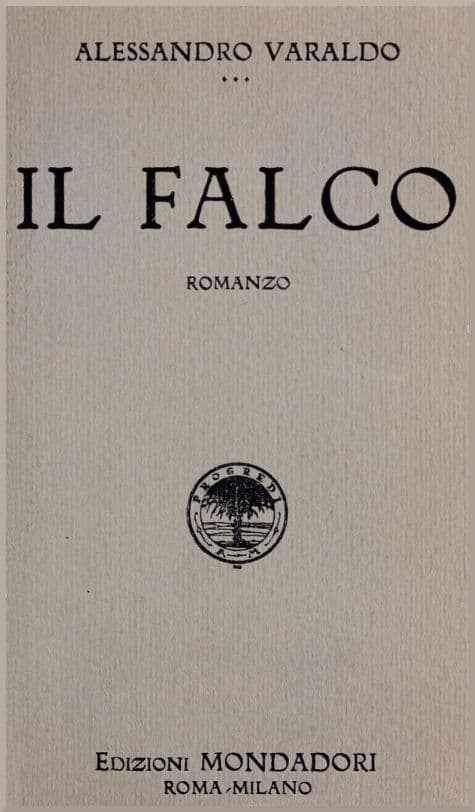
Books from the author

Link to this page
Add a free, dofollow link to Lex on your blog, forum, syllabus, or reading list.

<a href="https://lex-books.com/author/alessandro-varaldo"><img src="https://lex-books.com/badges/read-on-lex.svg" alt="Alessandro Varaldo on Lex" width="160" height="40"></a>[](https://lex-books.com/author/alessandro-varaldo)[url=https://lex-books.com/author/alessandro-varaldo][img]https://lex-books.com/badges/read-on-lex.svg[/img][/url]Alessandro Varaldo on Lex: https://lex-books.com/author/alessandro-varaldo